 English
 Español
 Português (BR)
 Deutsch
 Français
 Italiano
 Türkçe
 Bahasa Indonesia
 Русский
 日本語
日本語 한국어
한국어 Українська
 Tiếng Việt
 Polski
 Nederlands
 ไทย
ไทย Română
 简体中文
简体中文 繁體中文
繁體中文 العربية
 Български
 Filipino
 हिन्दी
 اردو
اردو বাংলা
বাংলাWedding Portfolio Photos That Look Like One Business
Wedding portfolio photos shot across twelve venues read as twelve businesses. The 90-second habit to add on the day, plus one background applied to all.
- wedding suppliers
- portfolio
- background removal
- product photography
- florists
- cake makers
- small business
- branding
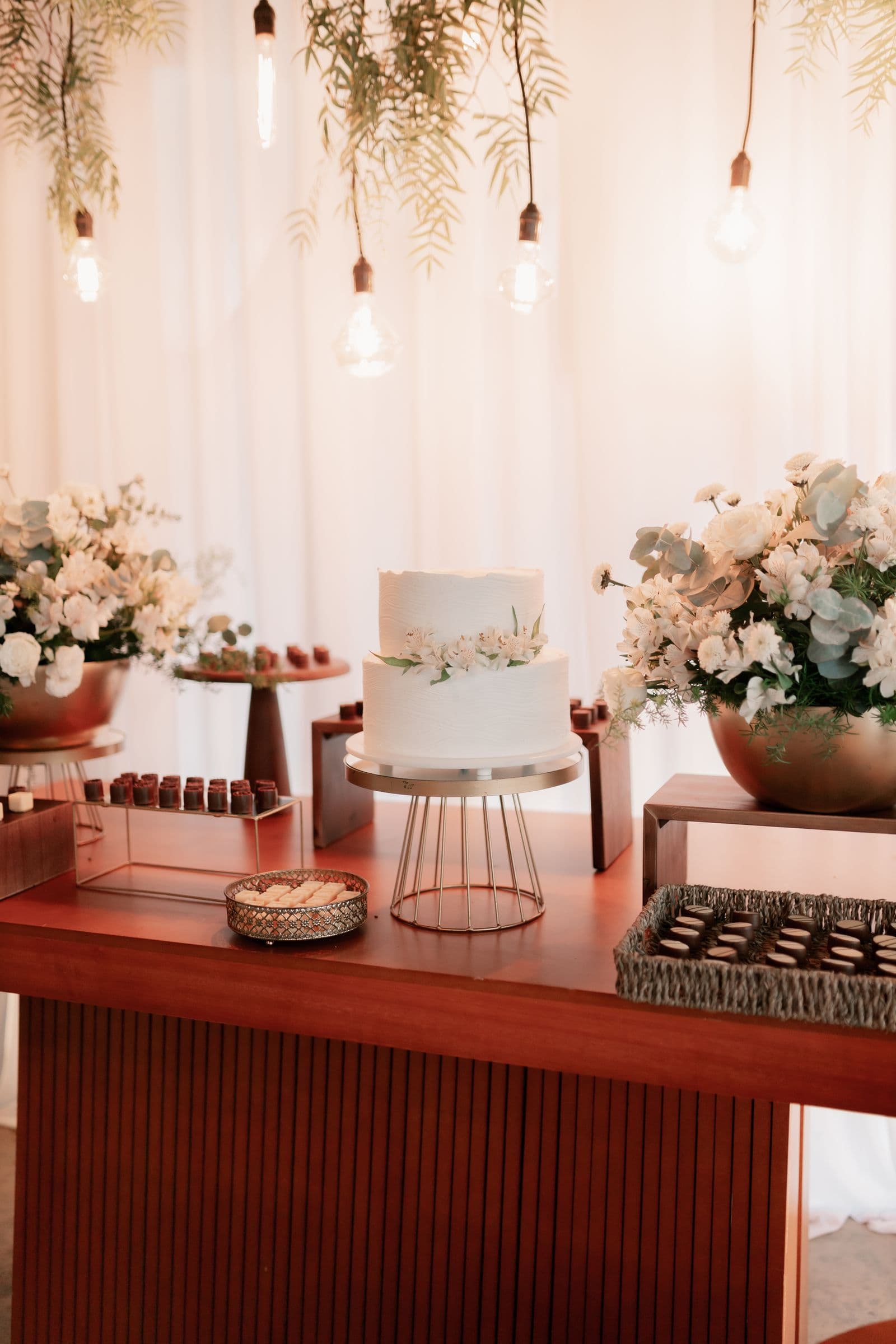
Every wedding supplier has the same folder. A hundred photos of genuinely good work, all taken in five minutes, in a room that was still being set up. The bouquet is perfect and there is a fire exit sign glowing green behind it. The three-tier buttercream cake is your best piping of the year, standing on a swirly hotel carpet under a chandelier that turns everything the colour of weak tea.
Then booking season arrives. Couples work through supplier lists, and for most of them your site is a grid of thumbnails long before it is a paragraph about you. Twelve weddings shot in twelve venues under twelve ceiling lights read as twelve different businesses. The work is consistent; the pictures are not.
You cannot re-shoot last season. What you can do is add one small habit on the day, then make one background decision afterwards and apply it to everything you own.
The ninety seconds before service starts
The window you want is after setup and before guests. For a florist that is when the bouquets come out of the buckets; for a cake maker, the ten minutes after you have levelled the stand; for decor hire, the ceremony room dressed and empty — check your venue's supplier terms and clear it with the couple first, since some contracts limit what suppliers may publish from the day.
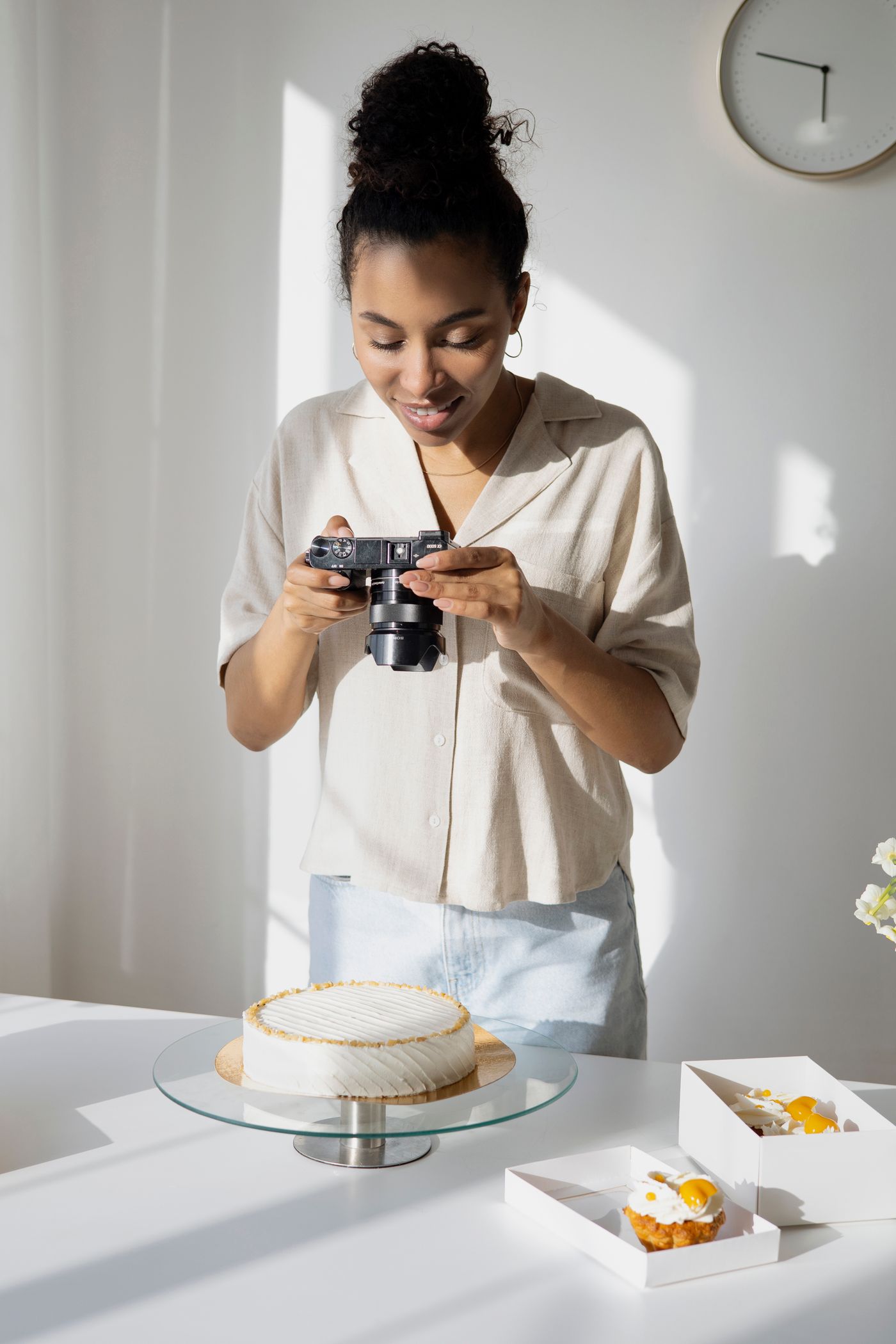
Take three frames, not thirty:
- One straight-on, camera at the height of the object's middle rather than looking down at it
- One at about forty-five degrees so depth reads on a cake or an arrangement
- One detail close-up: sugar flowers, a foil-pressed monogram, the ribbon tail
Tap to focus on the front edge and use the flattest light in the room. Move the cake or bouquet towards a window if you can — window light on a cloudy day beats anything coming off a ceiling. Turn the flash off; it flattens fondant and blows out white flowers.
The wall the venue gives you
You will rarely get a clean backdrop. You do not need one, you need a simple one. Rank what is available: a plain painted wall, a curtain drawn flat, the outside of the marquee. Any of those beats the top table, the bar, or a mirror that puts you in frame.
Two things make the later cutout easy. Distance: pull the subject a metre or two clear of what is behind it, so the background blurs and the edge stays crisp. Contrast: do not stand a cream cake against a cream wall, or eucalyptus against a hedge. If the only wall is pale and your work is pale, step outside into open shade.
Different problems by trade
The habit is the same everywhere; what ruins the shot is not.
- Florists — thin stems and gypsophila against a busy room. Fine edges cut cleanly, but only when what sits behind them is calm.
- Cake makers — sharp top edges on a near-white subject. Watch for the venue's coloured uplighting staining the icing.
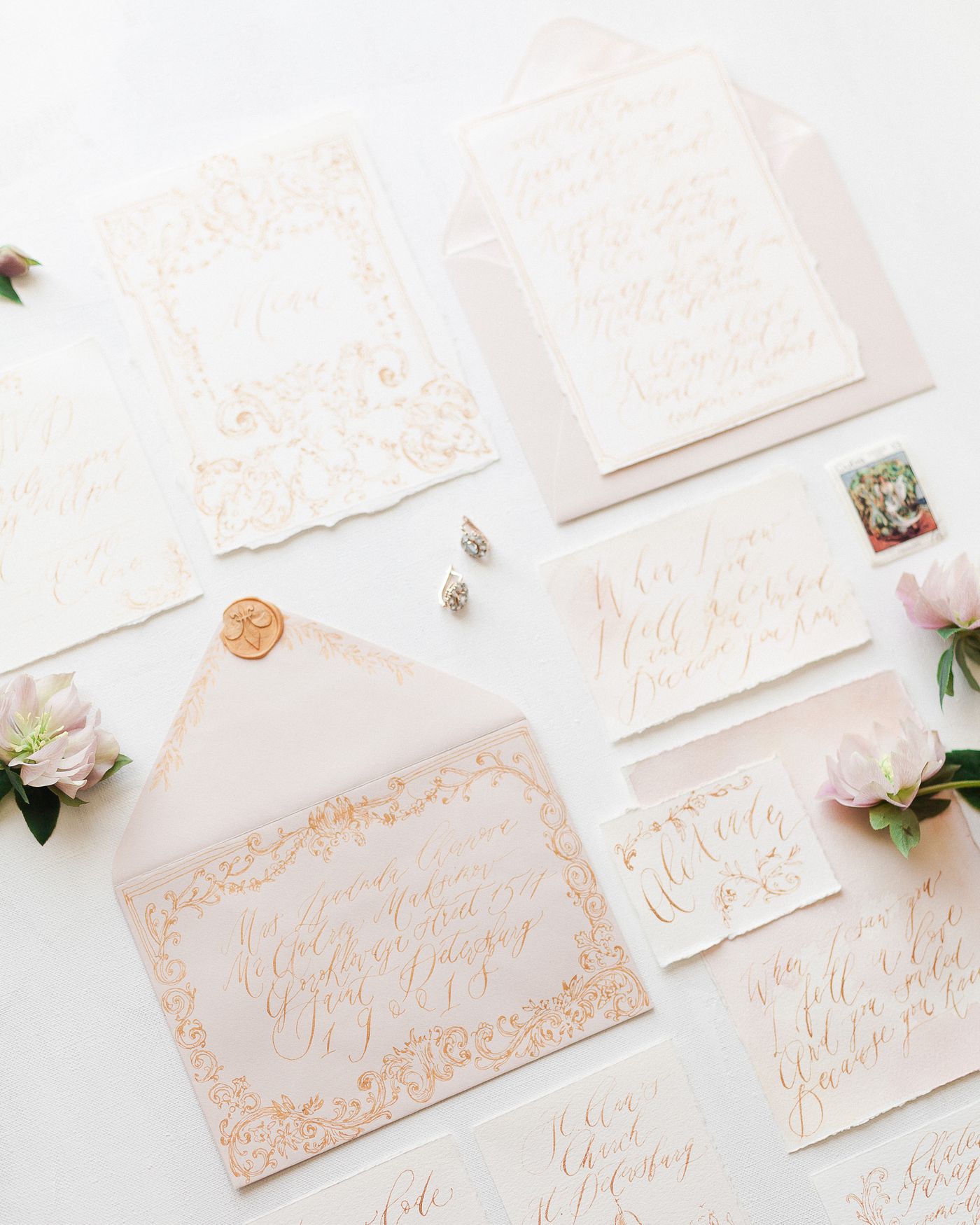
- Stationers — shoot flat lays from directly overhead on a plain surface. A sheet of thick watercolour paper from a craft shop is a portable backdrop that fits in a car.
- Decor and furniture hire — photograph the item alone, once, in daylight at your unit. That one image outlives every venue shot.
One background, applied to everything
This is the part that does the work. Upload a photo, let the background come away from the subject, and put the same thing behind every image in the set. In remover.bg you can drop in a flat colour, a custom value matched to your brand, or a photo of your own — a plain plaster wall you shot yourself, reused under every item.
Pick one and be strict. A soft warm grey or a chalky off-white flatters flowers and cake without competing; a deep colour makes white stationery snap but shows every edge, so it punishes sloppy source photos. Use it across the whole gallery rather than per wedding — the same discipline that makes a mixed set of headshots read as one team applies to a supplier portfolio.
Keep your originals. Uploads take PNG, JPEG and WebP up to 10 MB and come back in those formats, so the cutout sits alongside the untouched venue shot your real-weddings page still needs. Crop to square tiles in your phone's photo editor afterwards if your site template needs them.
So the cake does not float
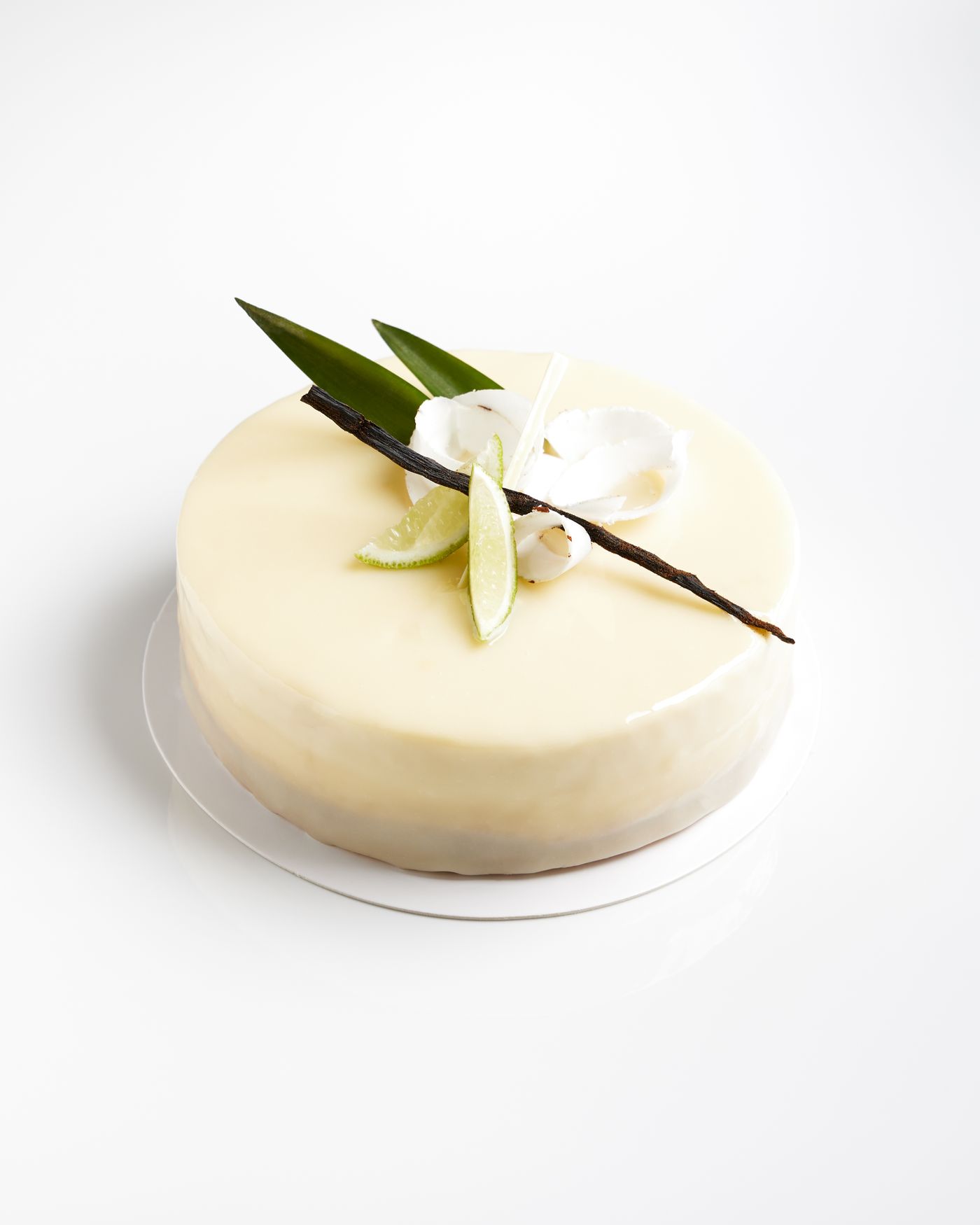
A cutout with no shadow looks pasted on, and a cake hovering above a coloured panel is the most obvious tell there is. Add a drop shadow, keep it low and soft, and put it on the side away from the light in the original photo; a shadow falling right when the window was on the right reads as wrong even if nobody can say why. Contact matters more than length: the darkest part should sit tight under the base. More detail in this walkthrough of realistic shadows.
Getting it done before the enquiries land
Set aside an evening, pick your twenty strongest pieces of work, and run them through one at a time onto the same background; if you are comfortable with a bit of code, the API can take a whole folder instead. Do the rest over the following weeks; the mobile app clears a few while you wait at a venue. Then reuse those cutouts everywhere else — your price guide, your directory listing, the printed samples you hand out at open days — so a couple meets one brand wherever they find you.