 English
 Español
 Português (BR)
 Deutsch
 Français
 Italiano
 Türkçe
 Bahasa Indonesia
 Русский
 日本語
日本語 한국어
한국어 Українська
 Tiếng Việt
 Polski
 Nederlands
 ไทย
ไทย Română
 简体中文
简体中文 繁體中文
繁體中文 العربية
 Български
 Filipino
 हिन्दी
 اردو
اردو বাংলা
বাংলাLivestock Sale Photos That Sell the Animal, Not the Yard
Buyers three hundred miles away judge conformation from one frame. Set the stance first, shoot level with the barrel, and keep the pickup out of the shot.
- livestock photography
- background removal
- farm marketing
- cattle
- sale listings
- photography tips
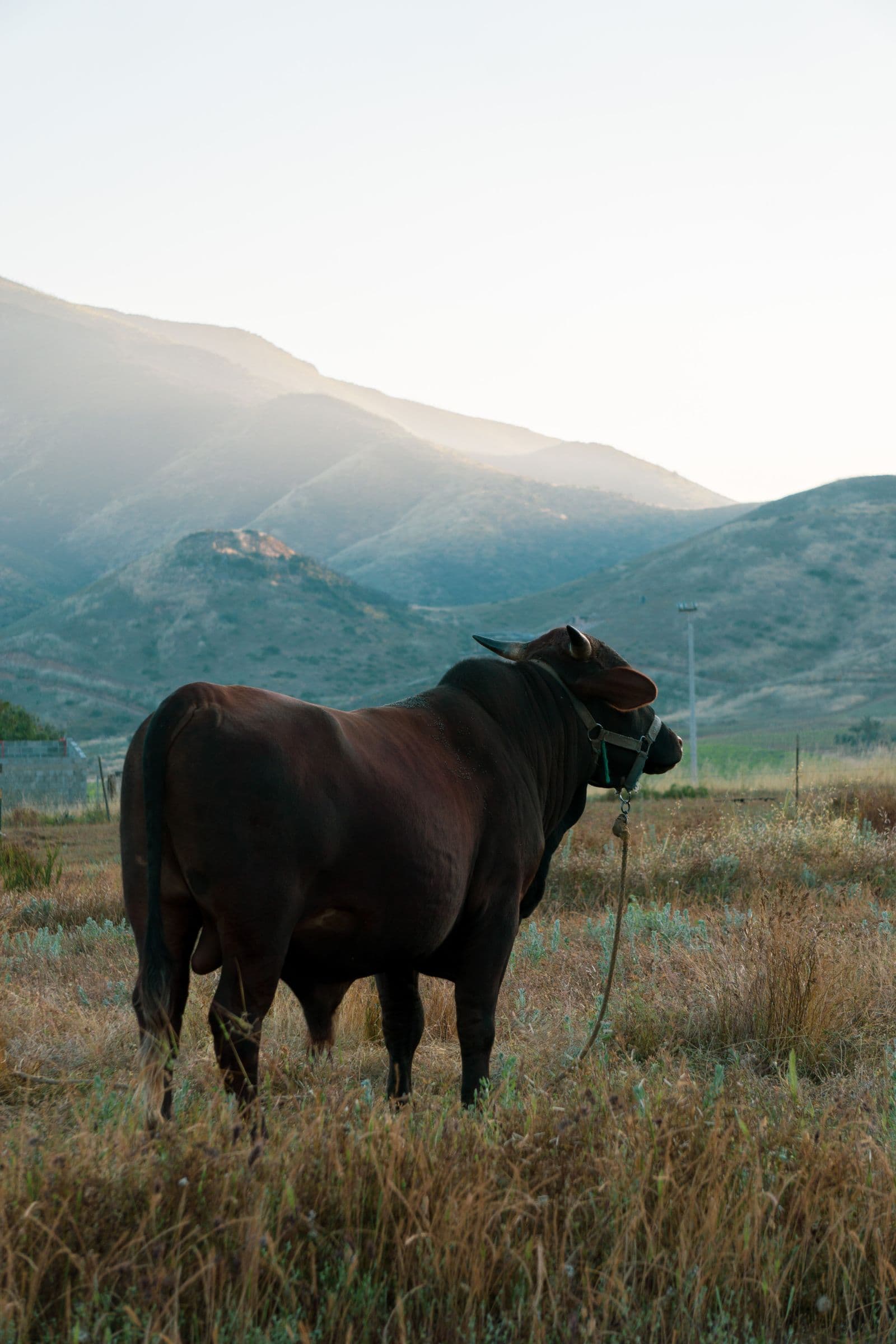
A bull, a broodmare, a pen of ewe lambs — they all sell on conformation. Legs, topline, depth of body, how the animal carries itself. That is what a buyer three hundred miles away reads, usually from one photograph.
That photograph gets taken in ten minutes in a windy yard, and it is rarely bad because of the camera. It is bad because the animal stood on a slope, half of it sat in hard shadow, a lead rope cut across its chest, and behind it were a feed barrier and somebody's pickup. Nobody asks you to reshoot; they scroll to the next lot.
What follows fits that ten minutes and makes animals shot on different days look like one draft.
Get the stance right before you touch the camera
Nearly every problem worth fixing happens before the shutter. Work side-on, camera level with the animal's barrel — shooting down foreshortens legs and makes a deep-bodied animal look shallow.
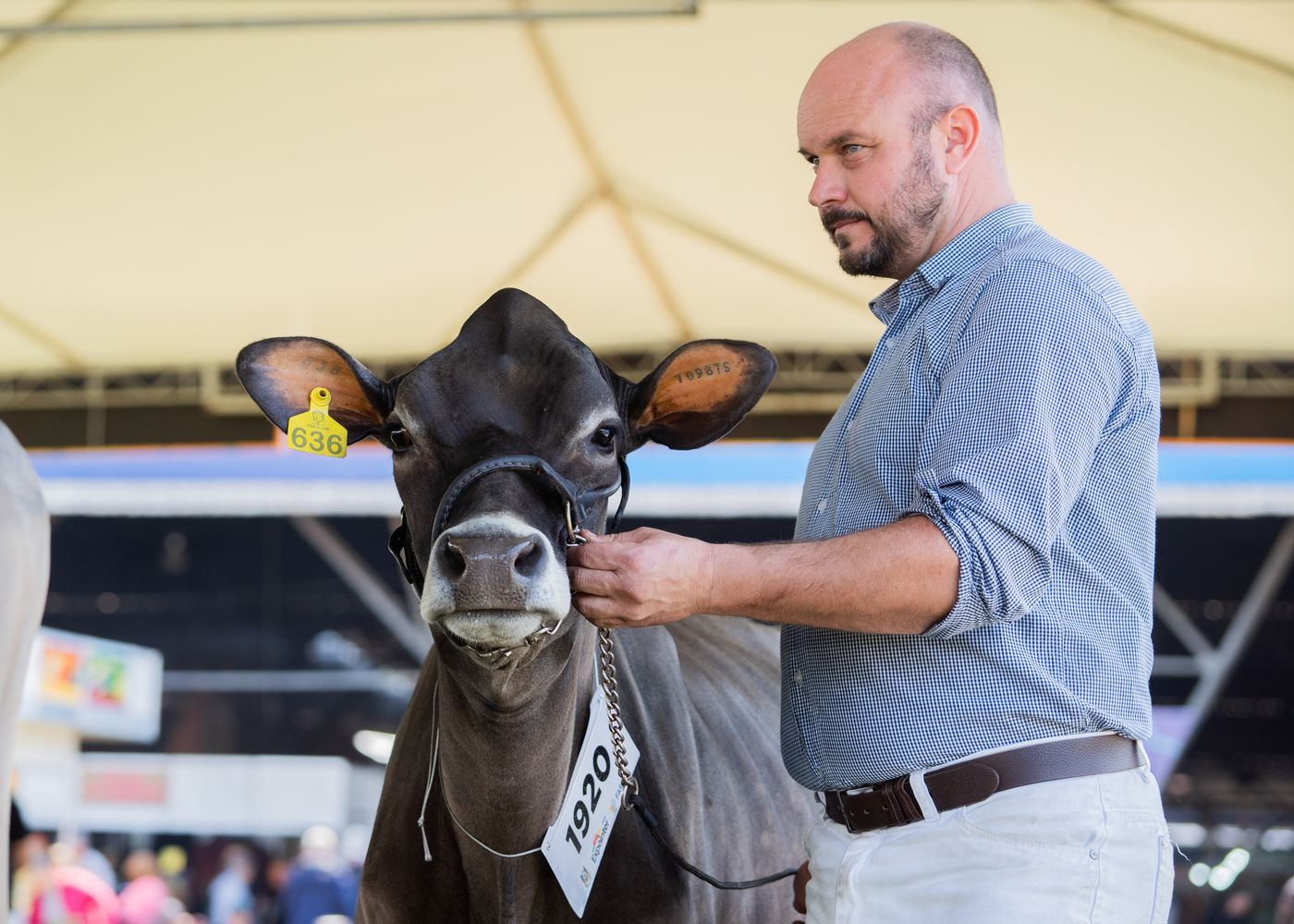
- Set the animal square, then shift it so the near-side legs sit slightly offset from the far-side ones. Perfectly stacked legs read as two, not four.
- Head up, ears forward. A bucket rattled from beside the camera does that without moving the animal.
- Keep the lead rope slack and hanging down, never across the chest. A taut rope joins the outline and wrecks an otherwise good cutout.
- Put the handler at the head on the far side, in plain dark clothing, not a hi-vis vest. Show-ring handlers stand front and centre by design; for a sale photo, do the reverse and stay out of frame.
For sheep, use hard standing; long grass swallows feet and pasterns. For poultry, drop to the bird's height — a hen shot from head height is a mound of feathers.
Flat ground, flat light
Sloping ground distorts leg set and topline, and no editing undoes a conformation claim you never meant to make. Find the yard's one flat corner and shoot every animal there, every time.
Bright overcast is the best livestock light: it wraps around the animal, holds detail in a black hide, and avoids the split where the sunny side blows out and the shaded side goes to mud. In sun, work early or late.
Even light also decides how cleanly the animal separates from the background, and a clean edge lets a cutout follow a tail switch, mane or fleece rather than shaving it flat. Fur is where careless edits fall apart, and remover.bg is built to hold it.
Why every lot in the yard looks identical
Scroll any livestock listing site and the pictures blur together — same concrete, same galvanised gate, same feed bin, same grey sky. None of it tells a buyer anything; all of it competes with the animal.
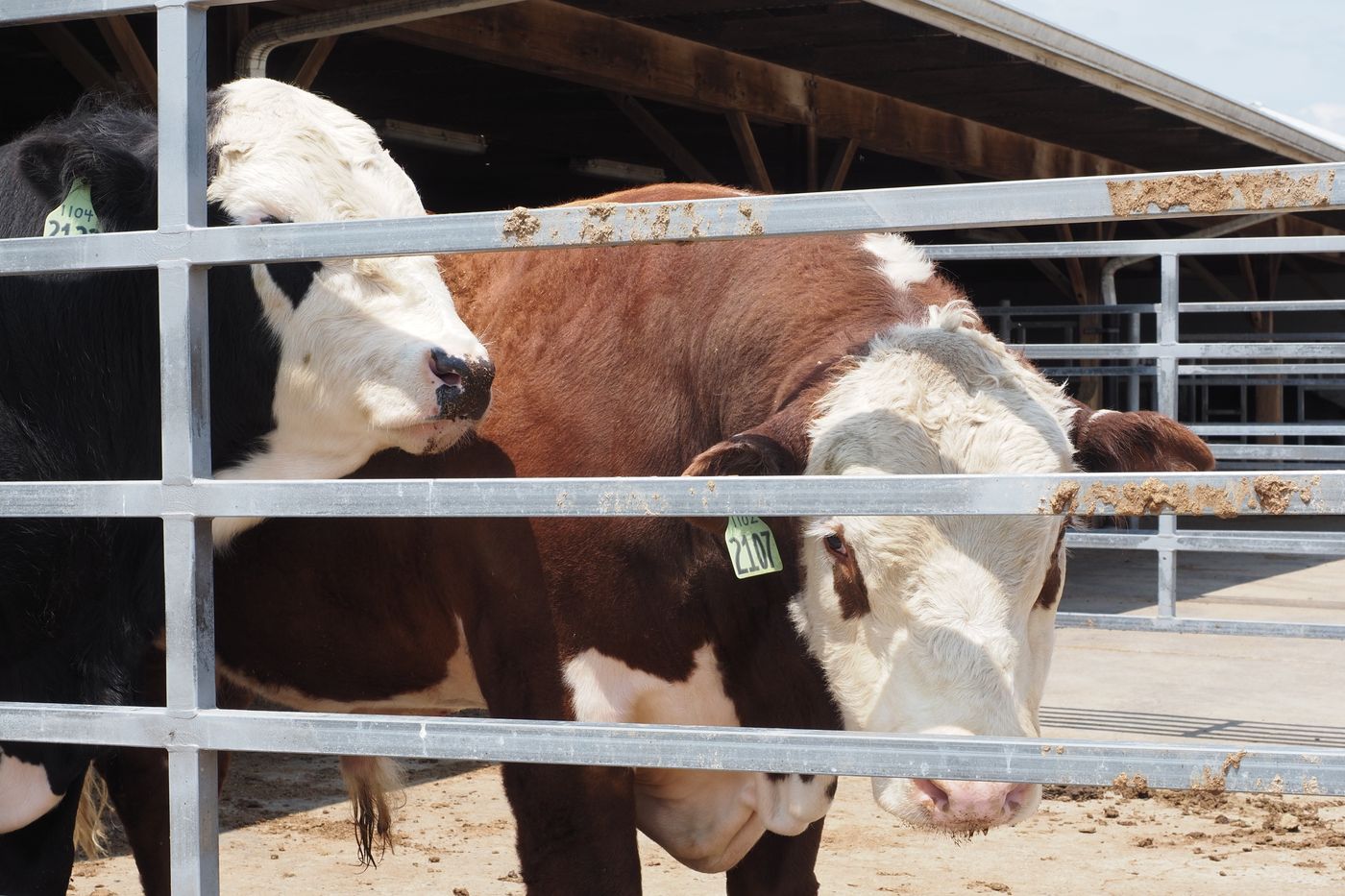
Replacing it standardises every one of those variables. Do them one image at a time in the app, and ten animals shot across three weeks in different pens land on the same background and read as a comparable group — provided you shot them in similar light; the background changes, the animal does not. Same logic as custom backgrounds in product photography: the subject is the product, the rest is noise.
Two choices work: a photograph of clean pasture, or a flat neutral colour such as mid grey or muted green. Avoid pure white — a white cow dissolves into it and a black hide looks cut from card. Add a soft shadow under the feet; shadow direction and softness is what stops a picture looking assembled.
Studs and auctioneers with dozens of lots can run that step through the background removal API.
Don't let the edit outrun the animal
A replaced background is presentation. It stops being presentation the moment it hides something material, so keep the animal exactly as photographed: never let a tidy backdrop imply a condition score it does not have. Misdescribing stock carries legal consequences that vary by country and by how you sell; check your sale company's terms.
Registries differ, too. A breed society or herd book may set its own conditions on photographs for registration or a printed catalogue, and some will not take an edited file at all. Ask yours before you send one, not after a rejection.
The shots that stop a sale unravelling on collection
For a listing you control, use one edited hero image plus untouched supporting photos:
- Hero — side-on, animal stood square, clean background, soft shadow. Crop it in your phone's photo editor afterwards if a listing site wants a particular shape.
- Front and rear, unedited, so a buyer can judge width and how the animal tracks.
- Detail — feet and pasterns, udder and teats, mouth for age, plus any scar or blemish you know about.
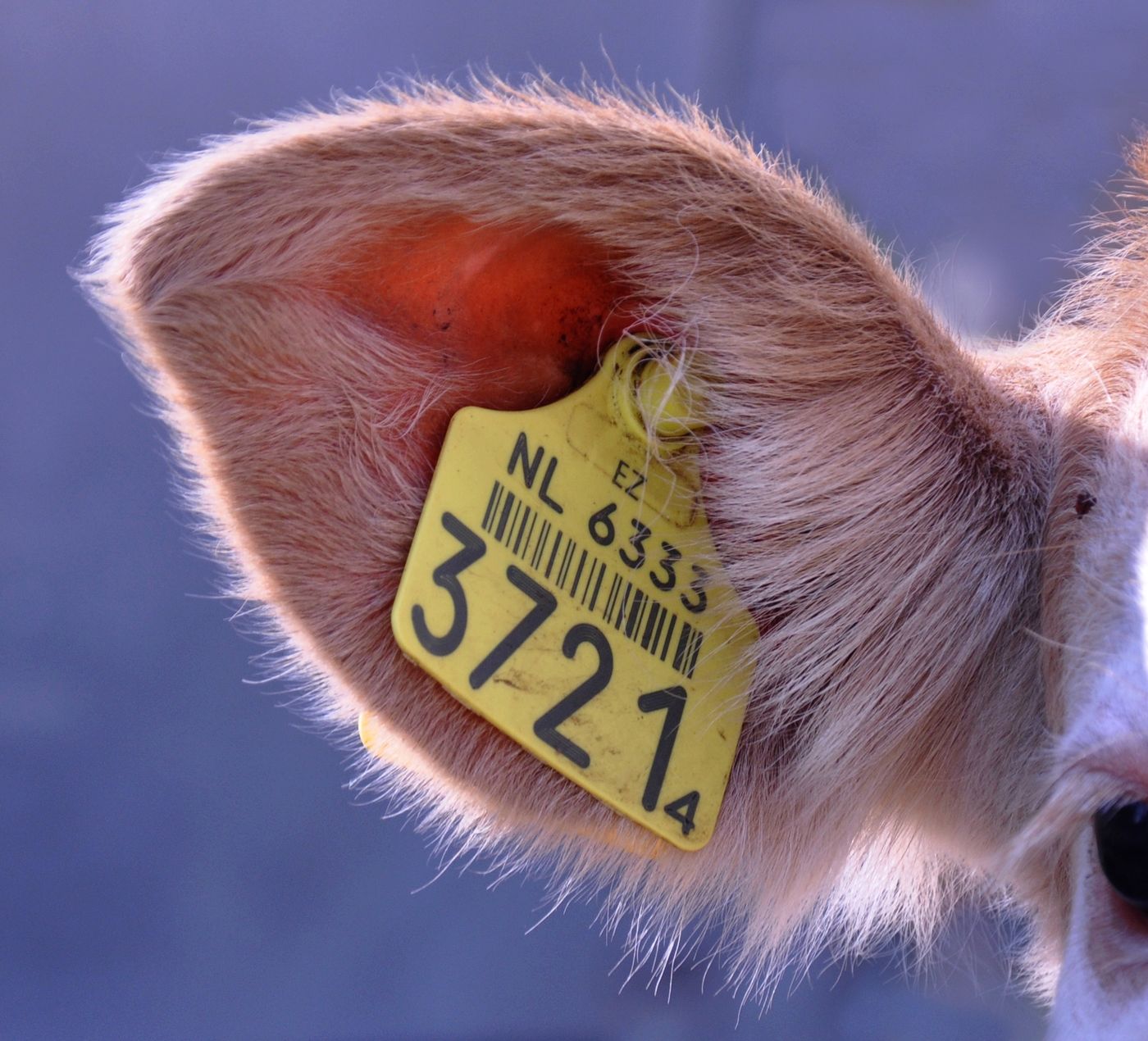
- Identification — ear tag or freeze brand, legible and untouched. Check what your registry expects before publishing a full passport or registration number.
Those detail shots feel like they cost sales. They do the opposite: a buyer who saw the blemish on screen does not turn the lorry around on collection day. Only the hero gets uploaded: PNG, JPEG or WebP, under 10 MB. If your phone saves HEIC, set the camera to capture JPEG instead, or convert the file first.
Keep the pitch, keep the routine
Pick your flat corner, your background and your one repeated angle, then write those three decisions where the whole yard can see them. After that, a saleable set takes about as long as haltering the animal.