 English
 Español
 Português (BR)
 Deutsch
 Français
 Italiano
 Türkçe
 Bahasa Indonesia
 Русский
 日本語
日本語 한국어
한국어 Українська
 Tiếng Việt
 Polski
 Nederlands
 ไทย
ไทย Română
 简体中文
简体中文 繁體中文
繁體中文 العربية
 Български
 Filipino
 हिन्दी
 اردو
اردو বাংলা
বাংলাBetter Delivery Menu Food Photos, No Studio Needed
What delivery apps expect from menu photos, how to batch-shoot the whole menu by a window in an hour, and how one digital background keeps dishes consistent.
- food-photography
- restaurant
- delivery
- menu
- small-business
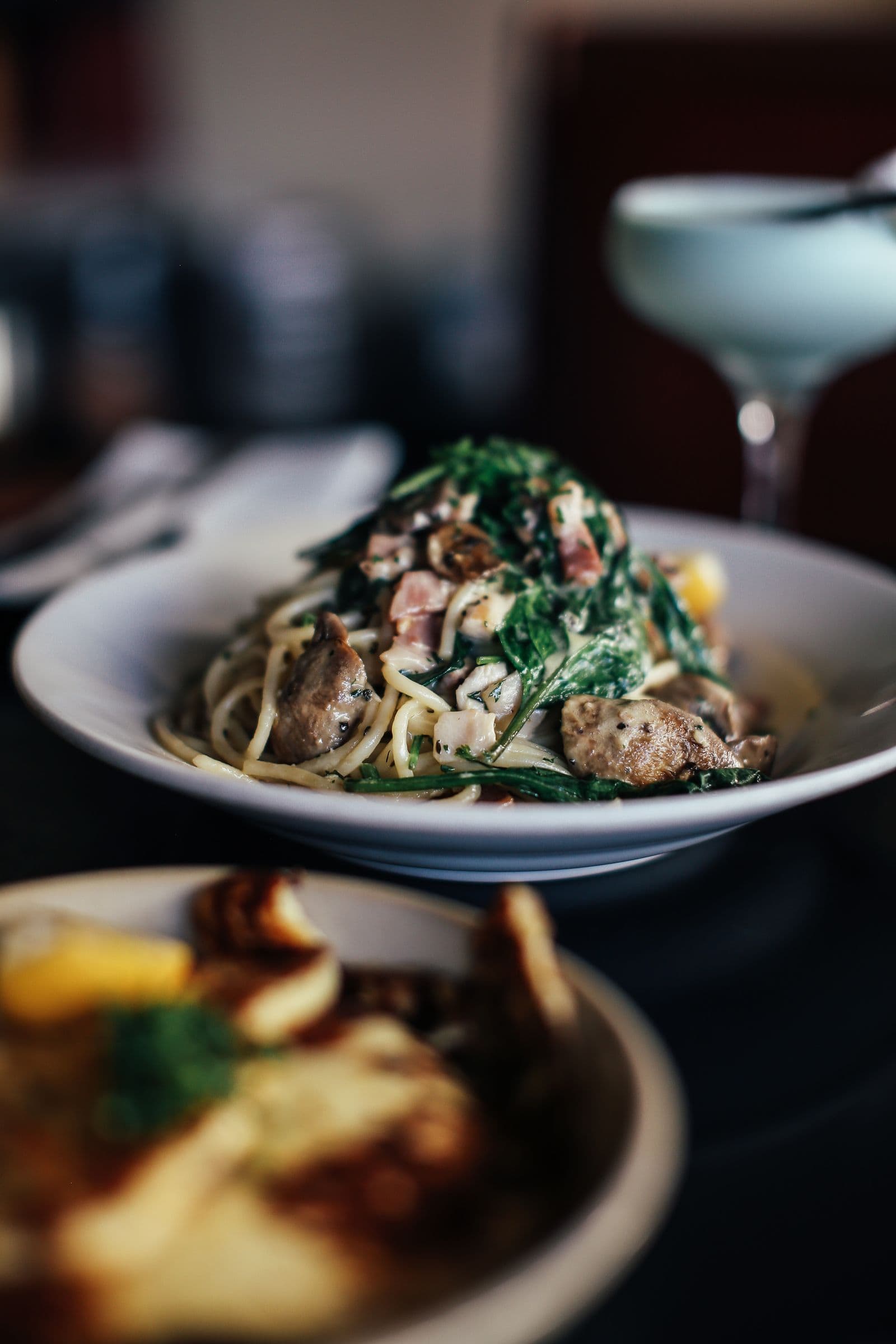
On delivery apps, customers order with their eyes. They can't smell the kitchen or hear the sizzle — a thumbnail photo is your entire storefront, sandwiched between two competitors' thumbnails. Delivery platforms consistently report that menu items with photos dramatically outsell items without them, and the platforms themselves rank photographed menus higher.
Yet most restaurant listings still run on dim, yellow-tinted kitchen snapshots. Here's how to do better with a phone and one hour between services.
What delivery platforms actually want
The big platforms publish photo guidelines, and they agree on the essentials:
- One dish per photo, clearly the hero of the frame — not a table spread.
- Bright, natural-looking light — no harsh flash, no dark ambiance shots.
- Clean, simple backgrounds — the dish, not the kitchen chaos behind it.
- Landscape orientation and high resolution — thumbnails get cropped; shoot wider than you think and keep the dish centered.
- Honest portions — the photo is a promise. Deliver what you show, or reviews will mention it.
Some platforms will even reject photos with visible clutter, hands, or branding overlays. The theme is consistency and clarity — which is exactly what a small kitchen can systematize.
The one-hour photo session
Batch the whole menu instead of photographing dishes ad hoc:
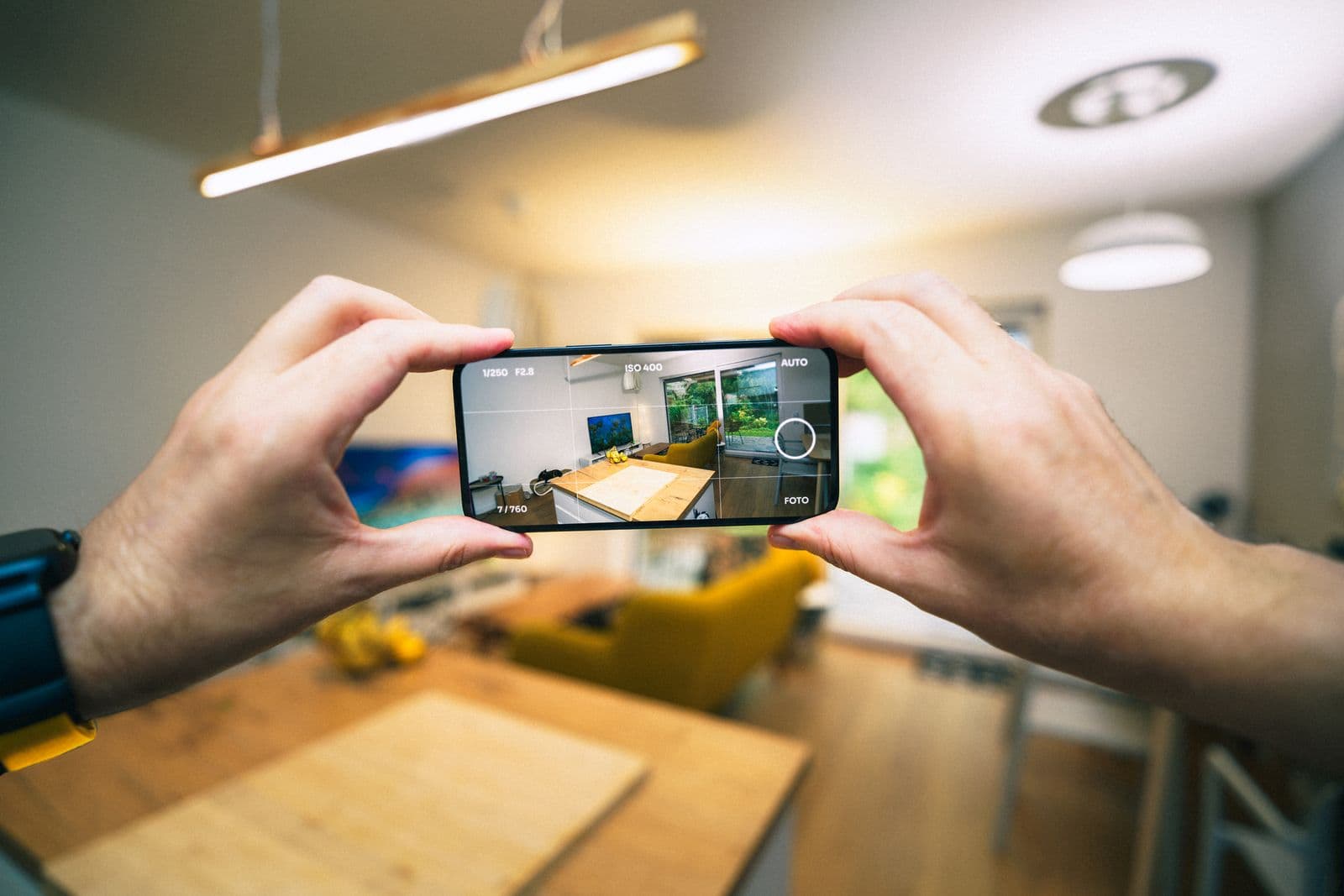
- Pick the window with the best light and a table beside it. Late morning on an overcast day is ideal; avoid direct sun stripes.
- Plate for the camera — slightly smaller plates make portions look generous; wipe rims; add the garnish you'd add for a food critic.
- Shoot from two angles per dish — 45° (the "diner's view," best for most plates) and directly overhead (best for bowls, pizza, spreads).
- Fill the frame with the plate, keep your hands and shadows out, take five frames per angle.
- Move fast — food photographs best in the first few minutes: steam, gloss, and colors fade quickly. Have the next dish plating while you shoot the current one.
Ten dishes, two angles, an hour. That's a full menu refresh — and the same shots fill the food category on your Google Business Profile.
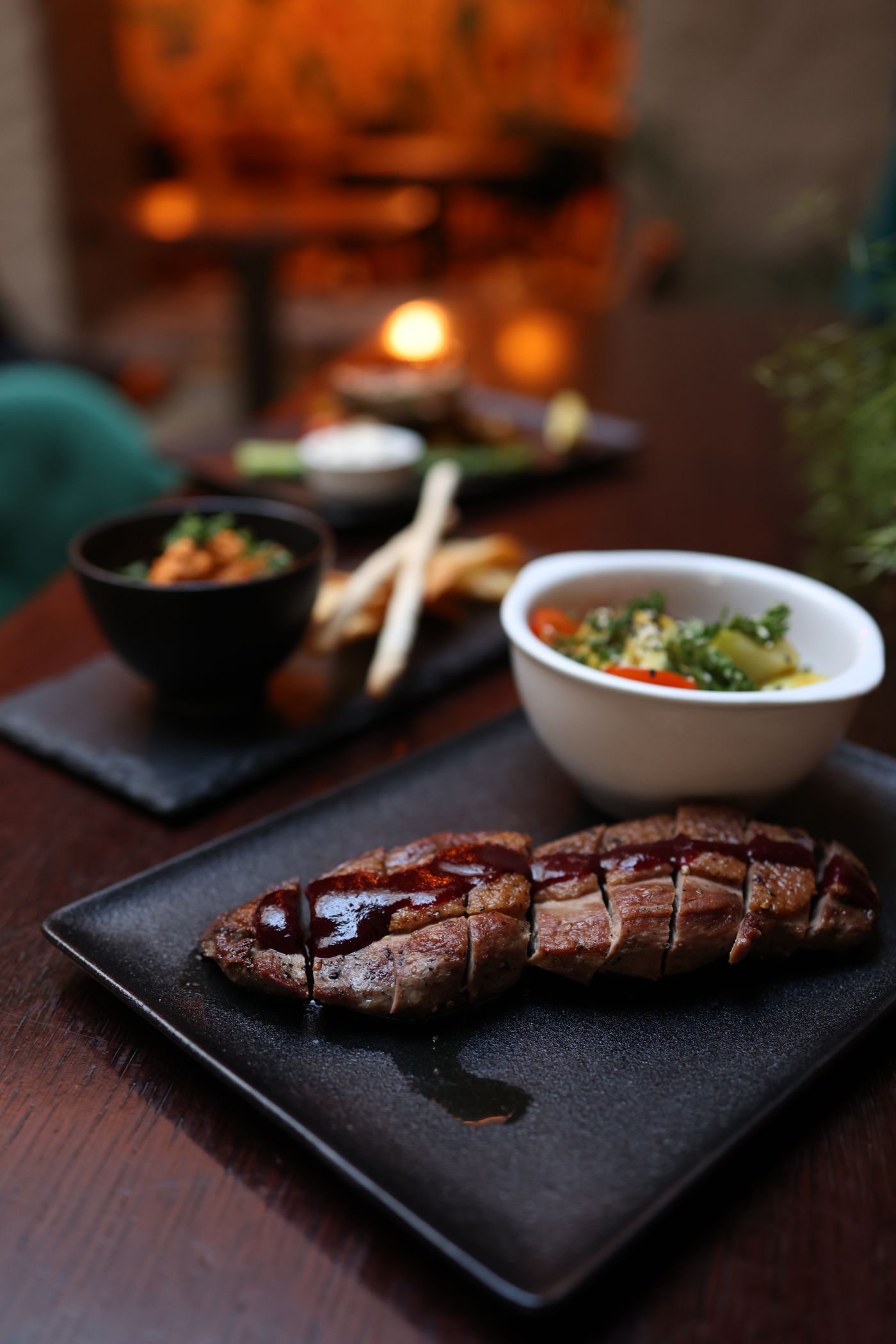
The consistency trick nobody tells small kitchens
Here's what separates a chain's menu page from an independent's: every photo on the chain's menu looks like it came from the same shoot. Same background, same lighting mood, same framing. That uniformity reads as "professional operation" at a glance.
You can manufacture that consistency after the fact:
- Upload each dish photo to remover.bg — the AI cuts the plated dish out cleanly, steam and garnish included.
- Place every dish on the same background — a warm neutral, a subtle wood texture, or your brand color. Suddenly the photo you took in March and the one from yesterday belong to the same family.
- Reuse the cutouts everywhere — the same isolated dishes work on your delivery menu, your website, printed flyers, and social posts. Seasonal promo? Swap the background, not the photos.
This also rescues your existing photo library: old shots with mismatched backgrounds become uniform the moment the backgrounds are gone.
Small details that move orders
- Lead with bestsellers — platforms feature your first photos; make them the dishes people already love.
- Photograph sides and drinks too — items with photos get added to carts; naked menu lines don't.
- Update seasonally — a menu with visibly fresh photos signals a kitchen that cares. It's also an easy sales lever for your whole online presence.
- Check your thumbnails on the actual app — colors and crops look different at 300 pixels wide in a scrolling list. The only view that matters is the customer's.
The takeaway
You don't need a food stylist — you need a window, one batched hour per menu, and a consistent background applied digitally. The kitchen's job is to make the dish look great for three minutes; everything after the shutter click is a background swap away from looking like a chain's marketing budget.