 English
 Español
 Português (BR)
 Deutsch
 Français
 Italiano
 Türkçe
 Bahasa Indonesia
 Русский
 日本語
日本語 한국어
한국어 Українська
 Tiếng Việt
 Polski
 Nederlands
 ไทย
ไทย Română
 简体中文
简体中文 繁體中文
繁體中文 العربية
 Български
 Filipino
 हिन्दी
 اردو
اردو বাংলা
বাংলাResume Photo Rules: Where a CV Photo Helps and Hurts
Whether to include a resume photo depends where you apply: countries that expect a CV photo, ones where it gets you screened out, and how to shoot one at home.
- resume photo
- cv photo
- job application tips
- headshots
- career

Few resume questions cause as much quiet panic as the photo. In one country, a CV without a headshot looks unfinished. In another, the same headshot can get your resume set aside before anyone reads a word. Same document, opposite reactions.
The confusing part: almost none of this is written down. Photo norms are hiring culture, not law. What looks polished in Munich reads as tone-deaf in Chicago.
Here's the practical map — where a resume photo is expected, where to skip it, and how to make a properly professional one at home if you need it. This is practical career guidance, not legal advice.
Where a Resume Photo Is Expected
In much of continental Europe, Asia, and the Middle East, a photo is simply part of what a complete application looks like.
- Germany and Austria — the Bewerbungsfoto is a long-standing convention. Equal-treatment rules mean employers can't require one, but most candidates still include a professional headshot, and traditional employers still expect to see it.
- France — not required, but common in practice, especially for client-facing roles.
- Turkey and much of the Middle East — a photo on the CV is standard practice in Turkey and common across much of the Middle East, usually a formal, front-facing shot.
- Japan, South Korea, and much of Asia — photos are the norm in practice. Japan's standard rirekisho resume format literally includes a printed box for your photo; South Korea has been nudging toward blind hiring in the public sector, but private-sector resumes still typically carry one.
One caveat: if a job posting explicitly asks for no photo — some German listings do, citing equal-treatment compliance — believe it. The posting always outranks the general norm.
Where to Leave the Photo Off
In the US, UK, Canada, and Australia, the working convention is the opposite: no photo.
The driver is anti-discrimination hiring practice. Employers in these markets want hiring decisions to be — and to look — based on qualifications alone, so a photo introduces risk nobody asked for. Many recruiters set photo resumes aside, and standard HR processes assume photo-free documents.
Note the wording: this is common practice, not a law banning photos. But practically, a photo gains you nothing in these markets and can cost you the read. Your headshot still matters there — it just lives on LinkedIn instead.
What a Good Resume Photo Looks Like
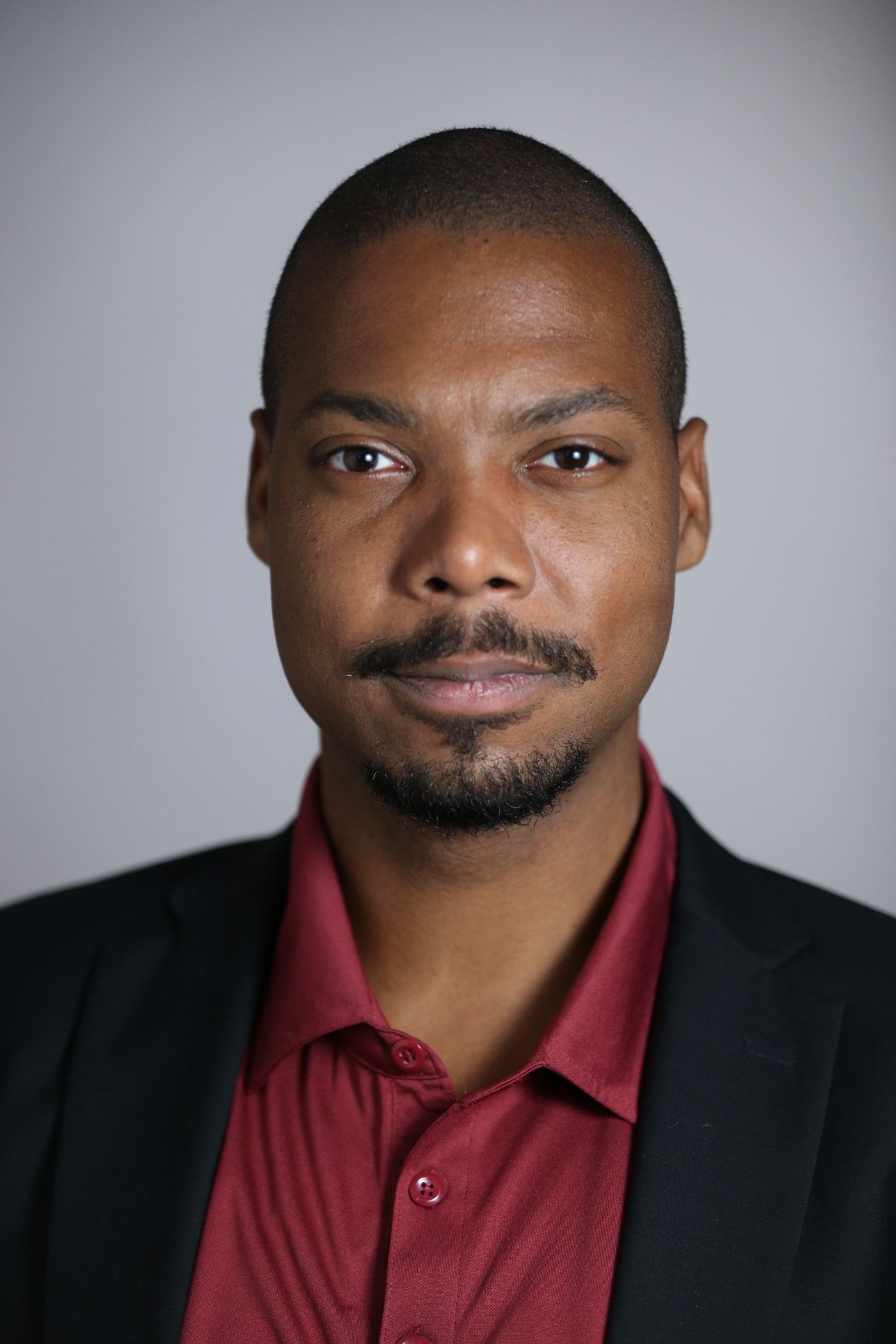
If you're applying somewhere that expects a photo, don't undercut a strong CV with a cropped vacation picture. The professional standard is surprisingly consistent across countries:
- Framing — head and shoulders, facing the camera, eyes about a third of the way down the frame. No full-body shots, no dramatic angles.
- Dress — whatever you'd wear to the interview at that company. Unsure? Dress one notch up.
- Expression — relaxed and confident. A slight smile works in most of Europe; Japan tends toward a composed, neutral look.
- Background — plain and neutral: light gray, off-white, or soft blue. No kitchens, beaches, or other people's shoulders.
- Recency — taken within the last year or two. The person in the photo should be the person who walks into the interview.
How to Make a Resume Photo at Home
You don't need a photo studio. You need ten minutes, a window, and a phone.

- Shoot near a window — soft daylight at a slight angle flatters faces. Phone at eye level, a step away from the wall, timer or a friend on the shutter.
- Take twenty, keep one — small changes in chin angle and smile make a big difference. Shoot more than feels necessary.
- Replace the background — upload your best frame to remover.bg. The AI cuts you out cleanly, stray hairs included, and you swap in a neutral studio color plus a subtle shadow so the result looks lit, not pasted.
- Export at high quality — keep a large version for printed CVs and a lighter one for online application forms.
The full setup is covered in our guide to a professional profile picture at home. And if your target country favors a formal, ID-style photo — common for Turkish CVs and Japan's rirekisho — the same session works; see how to make a passport-style photo at home.
Match Your Photo Across CV and LinkedIn
Recruiters cross-reference. If your CV shows one person and LinkedIn shows someone three haircuts ago, the mismatch registers — mildly, but it registers.
Use the same photo, or at least photos from the same session with the same background color, everywhere a candidate gets looked up: CV, LinkedIn, portfolio site, email avatar. Consistency reads as attention to detail — the same reason companies standardize their team headshots across about pages. A background swap makes this trivial: one good cutout, several matching versions.
The Takeaway
- Photo expected — Germany, Austria, Turkey, much of Asia and the Middle East; common in practice in France.
- Photo discouraged — US, UK, Canada, Australia. Skip it and let LinkedIn carry your face.
- If you include one — head and shoulders, interview dress, neutral background, recent.
- The posting wins — if the ad says no photo, that beats any national norm.
Ten minutes by a window and a clean background swap get you a resume photo that works in Munich, Istanbul, or Tokyo — and a LinkedIn photo that works everywhere else.