 English
 Español
 Português (BR)
 Deutsch
 Français
 Italiano
 Türkçe
 Bahasa Indonesia
 Русский
 日本語
 한국어
 Українська
 Tiếng Việt
 Polski
 Nederlands
 ไทย
 Română
 简体中文
 繁體中文
 العربية
 Български
 Filipino
 हिन्दी
 اردو
 বাংলা
Label Photos for EU Product Safety Rules
The EU's GPSR made marketplaces ask for label details, sometimes as a photo. Shoot a legible panel on foil or curved plastic, and leave it unretouched.
- product-safety
- marketplace-rules
- label-photography
- ecommerce
- packaging

Your listing sat there for three years. Then a form appeared asking for a manufacturer address, a batch marking, a warning statement, and in some flows an image of the packaging. Nothing about your product changed. The law did.
Regulation (EU) 2023/988, the General Product Safety Regulation, has applied since 13 December 2024 under its Article 52. It binds business sellers — traders — selling into the EU and, under the Northern Ireland Protocol, Northern Ireland; eBay states it does not apply to the rest of the UK. That is why a marketplace which once cared only about pixel dimensions now asks where your warning text lives — and why one of them takes part of the answer as a photograph.
So you are shooting two things in one session, and the second set of rules inverts the first.
Why the Back of the Box Suddenly Matters
Article 19 covers distance sales: an online offer must "clearly and visibly indicate at least" the manufacturer's name and contact addresses, the EU responsible person for non-EU manufacturers, identification information "including a picture of it", and any warning or safety information on the product or its packaging.
Article 22(9) puts the matching duty on the platform: its interface must let traders supply that information. That paragraph, not a redesign, is why the field appeared.
The Two-Track Image Set
Track one is the hero: cut out, on white or a chosen backdrop, built to sell. The frame-fill rules in Amazon's main image requirements and the per-platform minimums in the marketplace image cheat sheet live here; lifting the product off a kitchen table onto clean white in remover.bg is legitimate work.
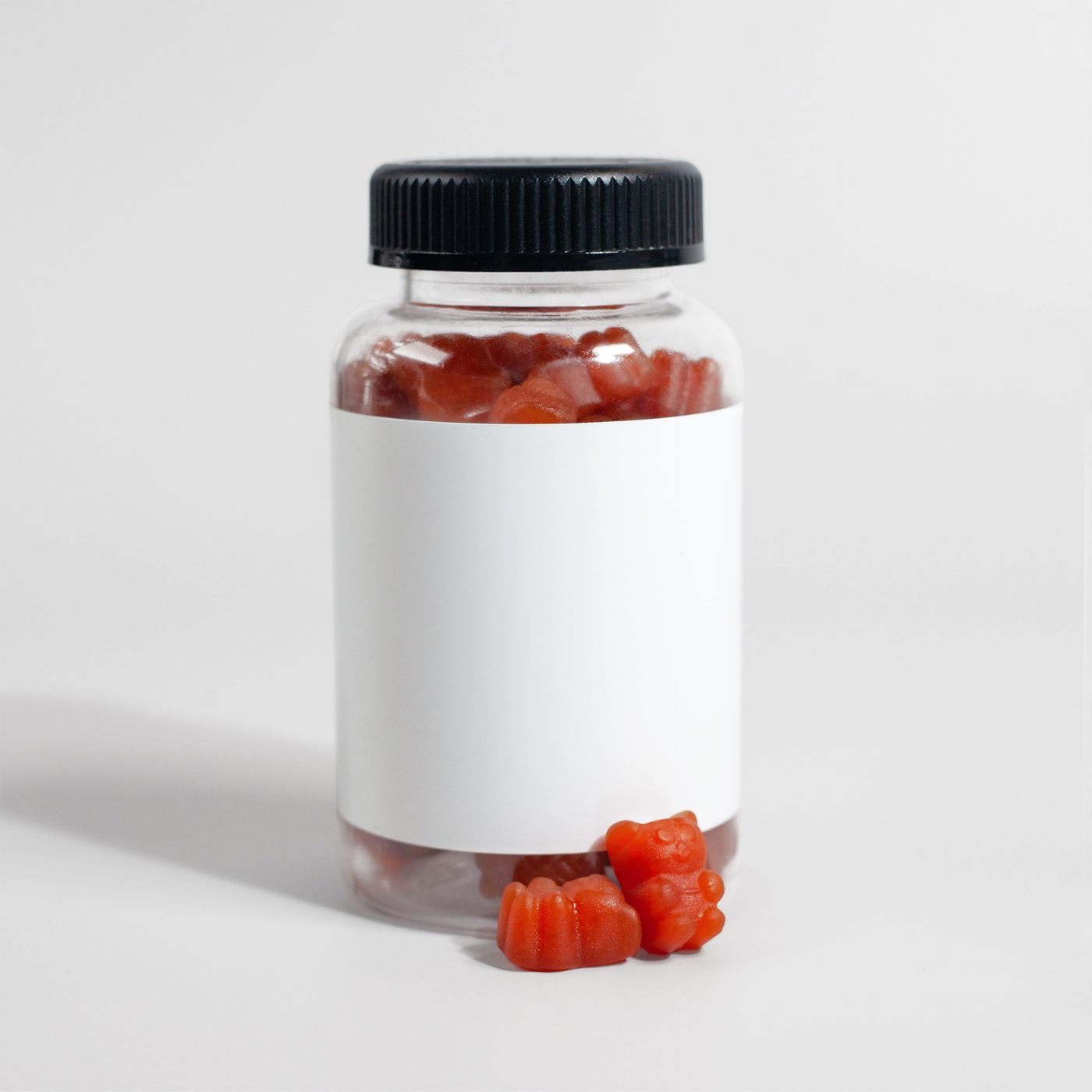
Track two is the record: same product, same day, the panel as it is — real surroundings, unretouched, legible at full zoom. Nobody is meant to find it attractive. Somebody is meant to read it.
What the Identification Panel Has to Show
Article 9(5) requires products to bear "a type, batch or serial number or other element enabling the identification of the product", "easily visible and legible for consumers" — or, where size or nature does not allow, the same on the packaging or an accompanying document. Article 9(6) adds the manufacturer's name or trade mark and their postal and electronic address.
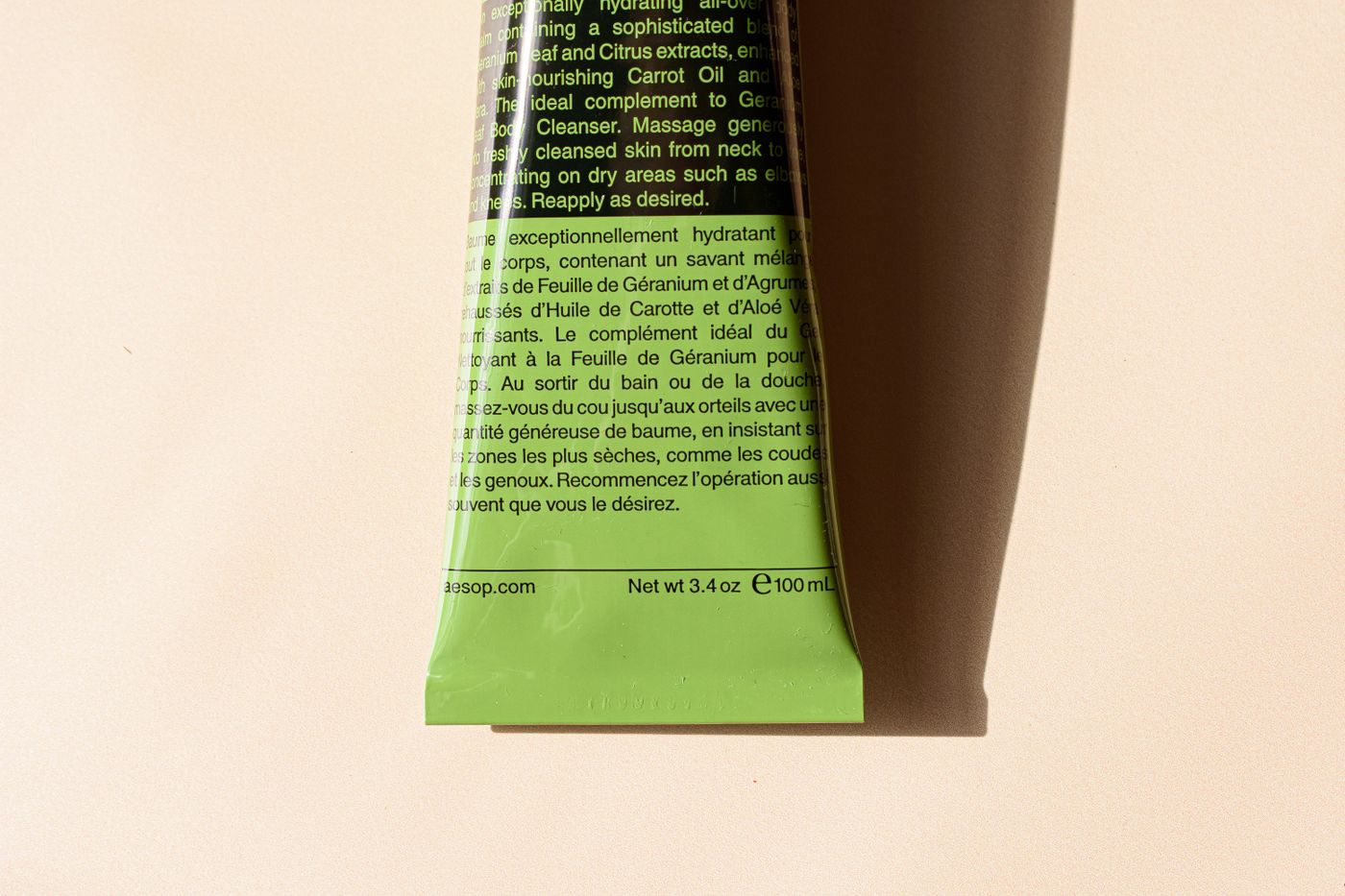
The panel photo carries whichever of those the product shows, plus warnings and pictograms. eBay's Seller Center page on the GPSR (checked September 2026) says that information "can be found on the product, on its packaging, or in any accompanying documents", and for the safety and warning part accepts an image (a pictogram, a symbol, or a label), a statement or a manual, in .pdf, .jpg or .png. That is the only part a photo answers: manufacturer contact details and the EU Responsible Person go into eBay's separate Regulatory contacts flow as typed fields.
One platform's flow is not another's. Etsy's GPSR help page currently asks sellers to add an Economic Operator to the account and/or update the Manufacturers field in the listing form, and to fill the Product safety info field; it names no label-image upload. Amazon's compliance help hub serves nothing usable without a seller account, so read the list inside your own account — not any summary, including this one.
One thing a photo cannot fix: eBay states this information must be presented in the local language of the country the item is sold in. An English-only panel on a German listing is not enough.
Shooting a Legible Panel on Foil and Curved Plastic
Glare is the whole problem, and it is geometry, not exposure.
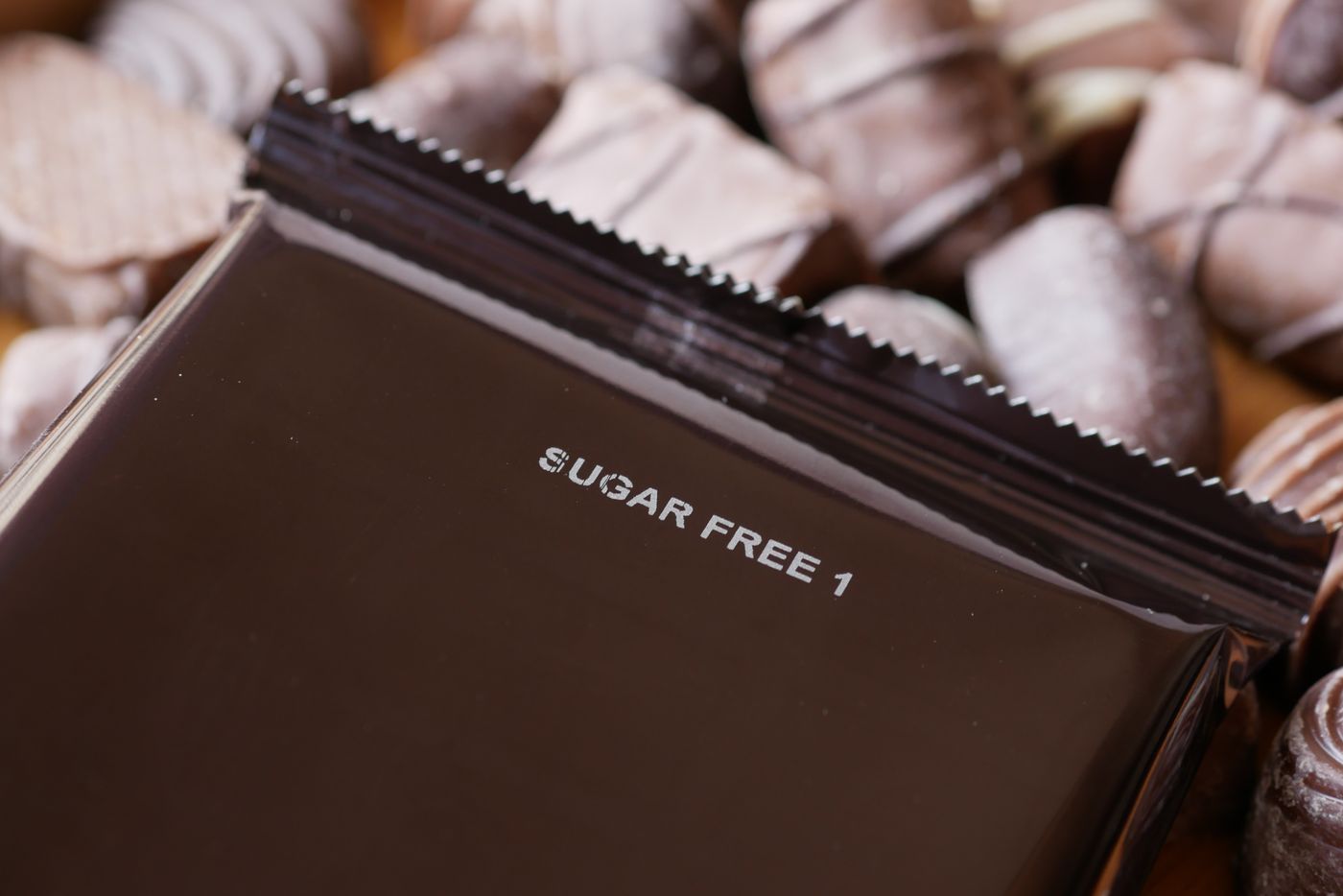
- Make the source large and soft: a small hard light lands on the batch code as a bright blob, a big diffused one spreads into a readable gradient. A net-curtained window works.
- Shoot ten or fifteen degrees off perpendicular. Straight on, the highlight bounces into your lens; off-axis it travels past you while the text stays flat. Never the on-camera flash: the hardest, most on-axis source you own.
- Flatten shrink wrap with fingers just outside the frame, or slide a card behind the film to lift it off the print.
- On a curved bottle, take three overlapping shots instead of one, each block of text square to the sensor, focusing on the text rather than the front face.
The Editing Line You Should Not Cross
For track two: no background swap, no cleaning up a scuff, no pushing contrast until the small print resolves. No platform states that as a rule, so treat it as safe practice. Crop tight to the panel when the platform asks for a label or a pictogram (eBay does), but never crop information out of frame. Not readable at full zoom? Reshoot — a lighting problem, not a retouching one. Same instinct as photographing items for an insurance claim: nobody touched it.
Where to Check the Current Rule
Check Article 2 first: food, feed, medicinal products and antiques sit outside this Regulation entirely — eBay's excluded-category list agrees — so a shrink-wrapped grocery item answers to food labelling law, not this. Then read Articles 9, 19 and 22 on EUR-Lex, and your seller account for how that platform collects it; flows change faster than the regulation. Photography guide, not legal advice, as in image rights for online sellers.