 English
 Español
 Português (BR)
 Deutsch
 Français
 Italiano
 Türkçe
 Bahasa Indonesia
 Русский
 日本語
日本語 한국어
한국어 Українська
 Tiếng Việt
 Polski
 Nederlands
 ไทย
ไทย Română
 简体中文
简体中文 繁體中文
繁體中文 العربية
 Български
 Filipino
 हिन्दी
 اردو
اردو বাংলা
বাংলাProduct Image Copyright: What Online Sellers Need to Know
Product image copyright in plain English: who owns a listing photo, when supplier and stock images are safe, what to do if yours is taken. Not legal advice.
- product image copyright
- image rights
- ecommerce
- product photography
- dmca takedown
- online selling

Somewhere on a marketplace right now, a seller is right-clicking a competitor's product photo and saving it for their own listing. It feels harmless — the photo is just there, after all. But that image belongs to someone, and using it without permission can cost you a listing, an account, or worse.
Image rights sound like a topic for lawyers in expensive chairs, but the core rules are refreshingly simple — and the safest strategy happens to be the cheapest one. Quick note before we start: this is educational information, not legal advice — for a real dispute, talk to an actual attorney.
Who Owns a Product Photo?
By default, the person who takes a photo owns the copyright the moment the shutter clicks. In the US and most other countries, protection is automatic — no registration, no © symbol, no watermark required.
That rule flips a few common assumptions:
- Owning the product doesn't mean owning the photo. You can sell the exact same blender; your competitor's photo of that blender is still theirs.
- "It was publicly posted" isn't permission. Visible online and licensed for reuse are entirely different things.
- Credit doesn't cure it. Linking back or tagging the source is good manners, not a license.
- Hiring a photographer doesn't automatically transfer ownership. Unless your written agreement says otherwise, the freelancer you paid typically keeps the copyright — so put it in the contract.
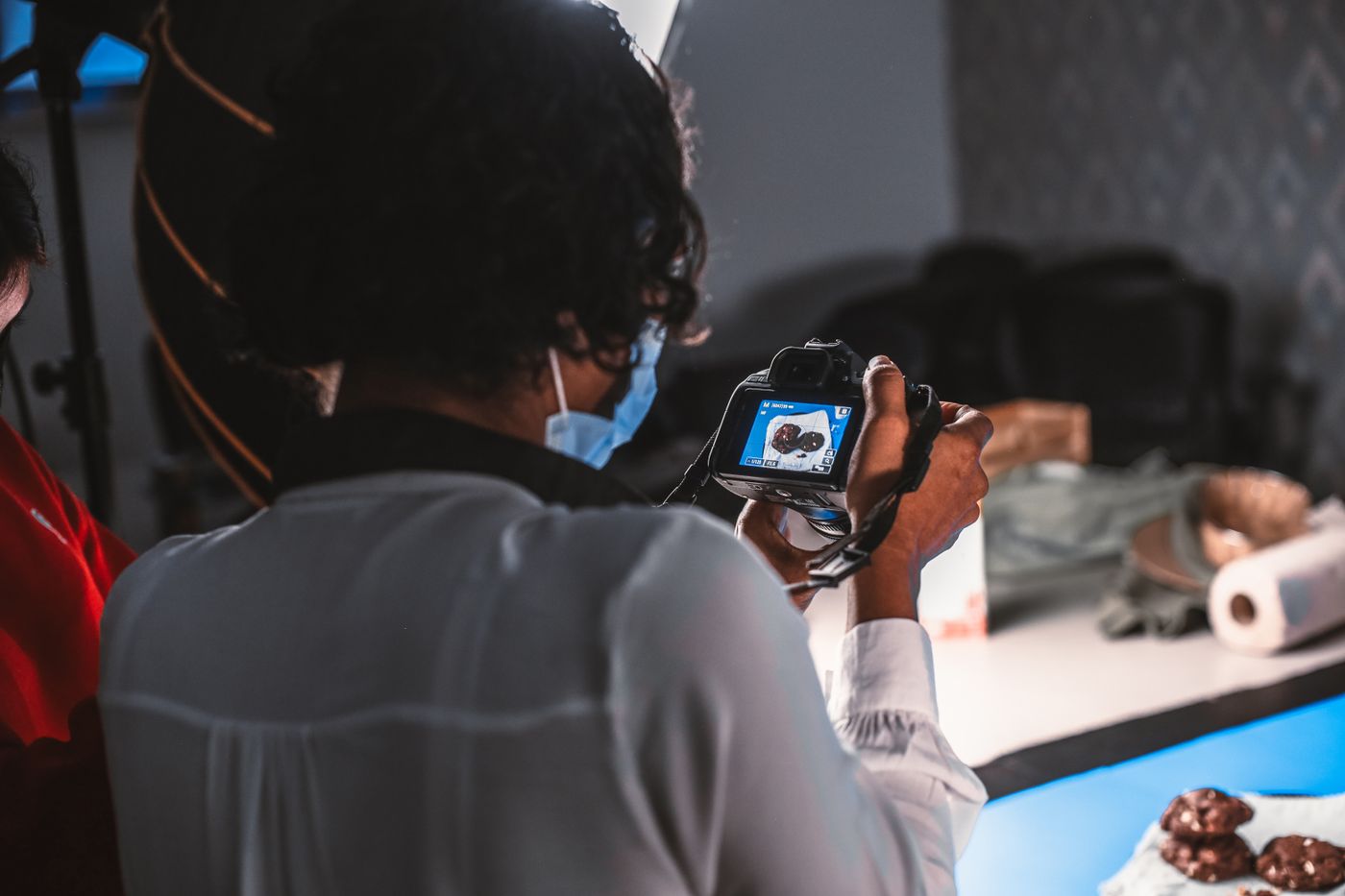
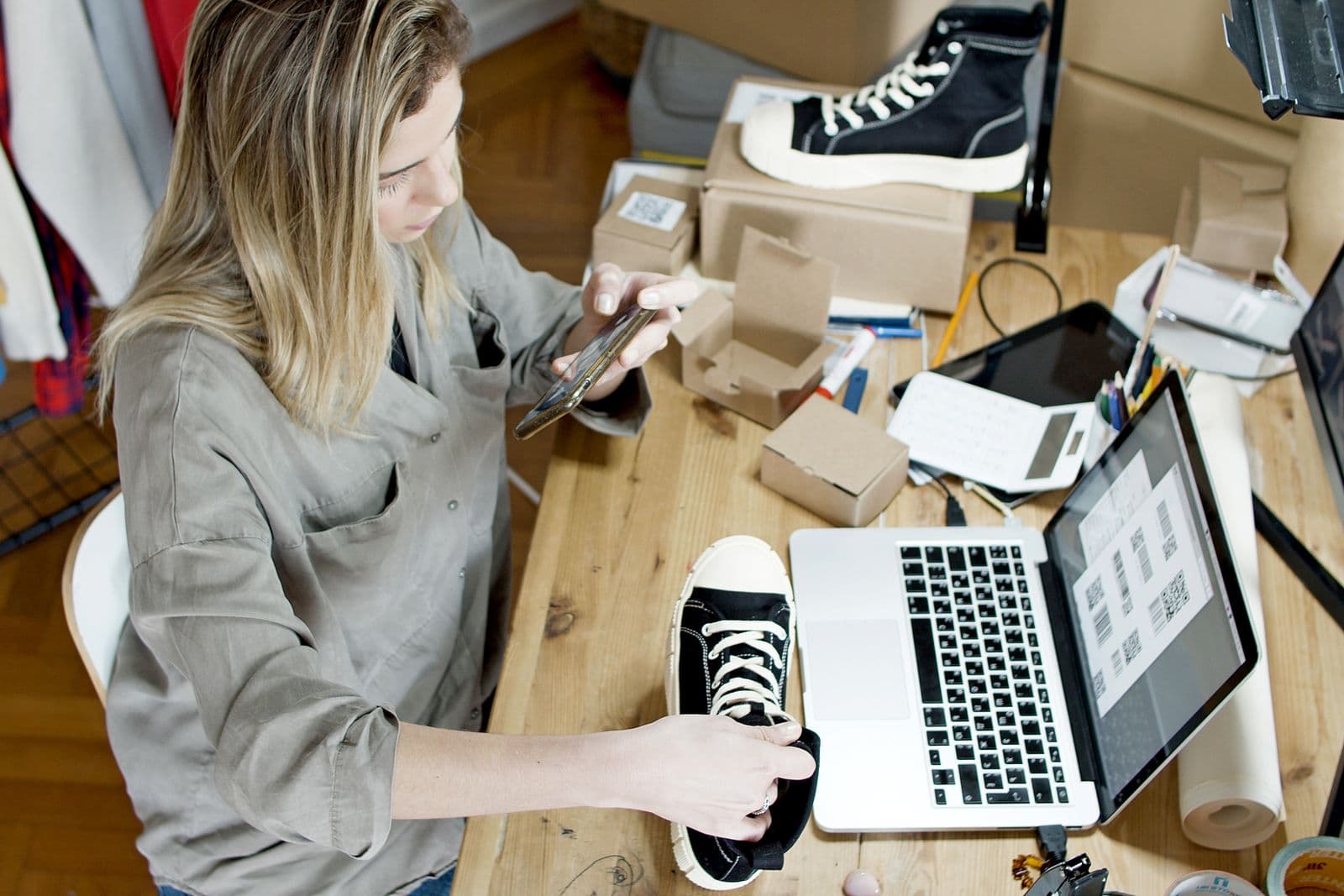
If you didn't take the photo and don't have written permission from whoever did, treat it as off-limits.
Can You Use Other Sellers' or Manufacturer Photos?
Copying a competitor's photos is the fastest way to end up on the wrong side of a marketplace. Every major platform has an intellectual-property complaint process. One complaint can take down your listing; repeat complaints can take down your account.
Manufacturer photos are a gray zone. Those glossy images were made by or for the brand, and the brand owns them. Some manufacturers let authorized resellers use official imagery; many say nothing at all — which is not the same as yes. If you want brand photos, ask, and keep the answer in writing.
Dropshippers, this goes double for you. Supplier photos get passed around so freely that the supplier may not even own them. Get written permission (an email counts) — or better, order a sample and reshoot it yourself. Bonus: your listing stops looking identical to every other store selling the same item — our guide to dropshipping product photos covers sourcing rights and restyling supplier images into one house style.
And if you sell used goods, borrowed photos are doubly wrong — buyers expect to see the actual item, flaws and all. Our guide to secondhand listing photos covers how to do that well.
Do Stock Photo Licenses Cover Product Listings?
Sometimes — but only if you read the license. Two things trip sellers up:
- Editorial vs. commercial. Editorial-licensed images are for news and commentary only. Using one to sell something violates the license, full stop.
- Commercial isn't unlimited. Standard licenses often restrict how an image can appear on products, templates, or items for resale. Many marketplaces also expect the main image to show the actual item you ship — check the platform's current official guidelines before leaning on stock imagery.
The short version: stock photos can decorate a banner or a blog post, but the product photos in your listing should show your product.
What to Do When Someone Steals Your Photos
The same automatic copyright that protects everyone else's photos protects yours. If a competitor lifts your images:
- Document it. Screenshot the infringing listing, with dates and URLs.
- Ask first. A polite "those are my photos, please remove them" resolves a surprising number of cases.
- Use the platform's report form. Amazon, eBay, Etsy, and other major marketplaces all have intellectual-property reporting channels for rights owners.
- Know the DMCA. In the US, the Digital Millennium Copyright Act lets copyright owners send a formal takedown notice to a website or its host. Be accurate, though — filing false claims carries legal risk of its own.
Prevention has its place too. Watermarks won't stop a determined thief, but they change the economics of casual copying — we weigh the trade-offs in should you watermark product photos.
The Safest Path: Shoot Your Own Photos
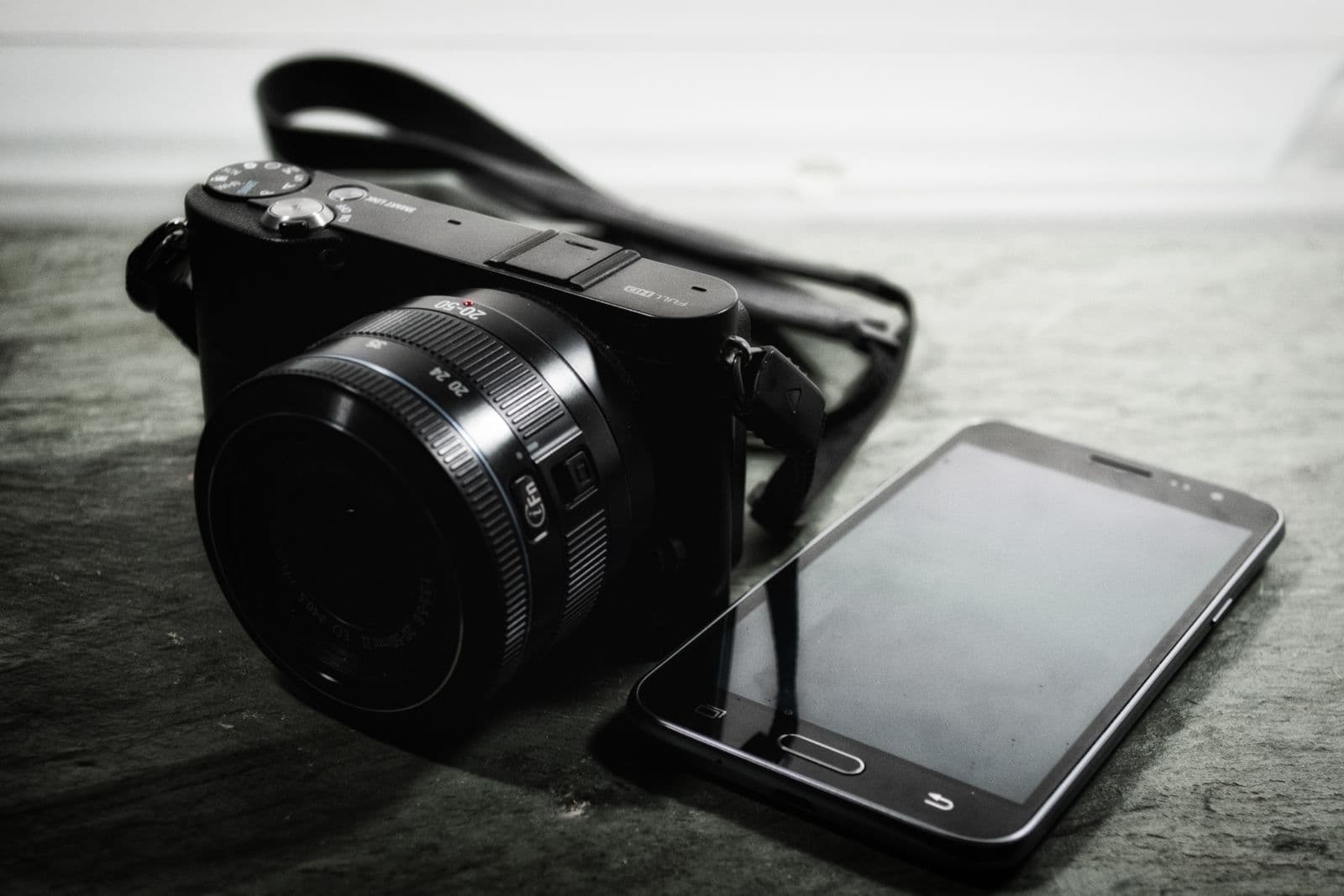
Here's the good news: original product photos have never been easier to make. A recent phone is genuinely enough for listings — see our smartphone vs. camera comparison — and the background, historically the hard part, is now a software problem.
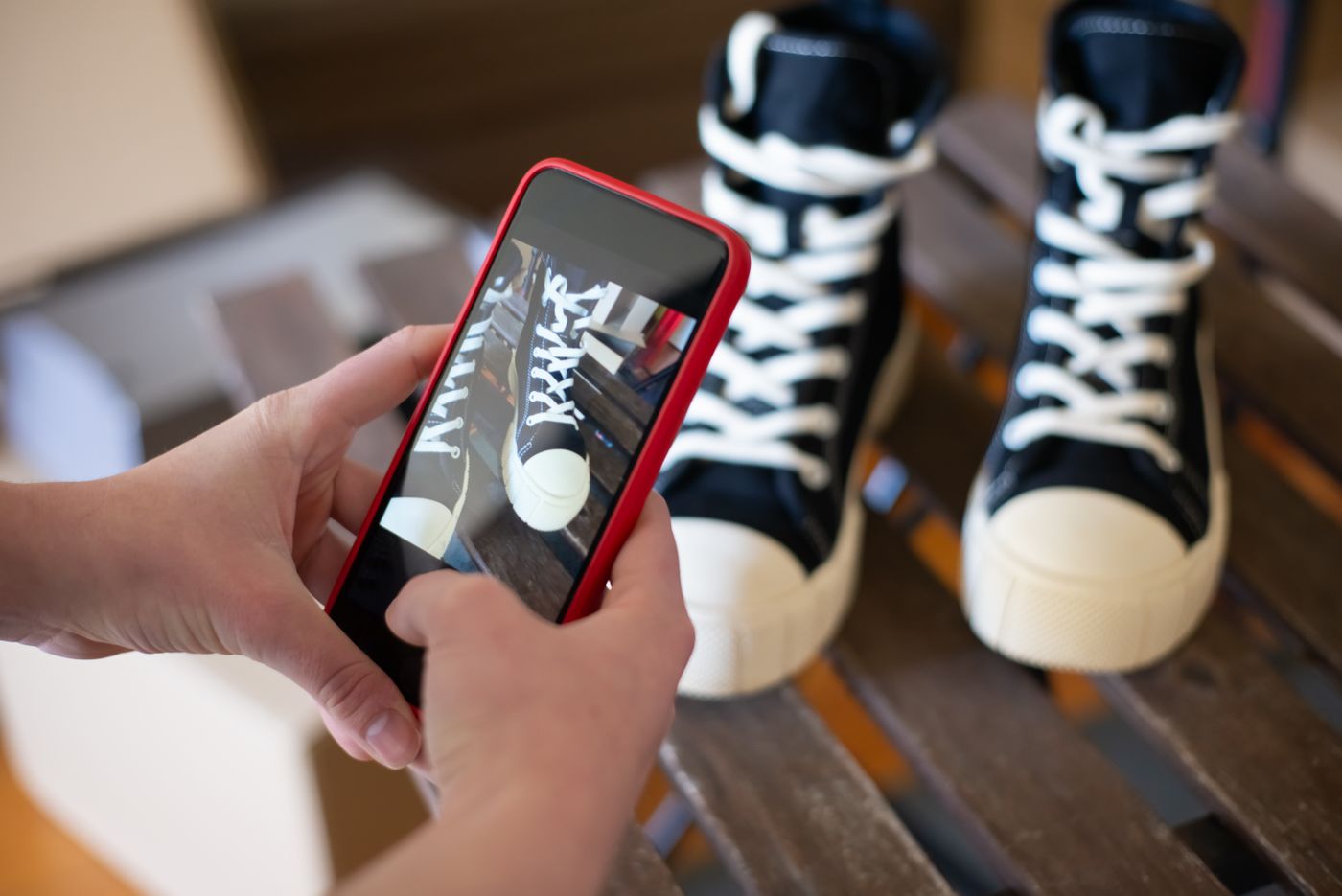
Shoot your product in decent light on any surface, then let remover.bg strip the background — it stays clean even on tricky edges like hair and fur — and drop in a pure white, a brand color, or a custom scene with a realistic shadow. Every pixel is yours: no licenses to read, no permissions to chase, no takedown anxiety.
Original photos aren't just legally safe. They're also the only images your competitors can't have.
The Takeaway
- By default, the photographer owns the photo — automatically, in nearly every country, unless a written agreement says otherwise.
- Don't reuse competitor, manufacturer, or supplier images without written permission.
- Read stock licenses. Editorial-licensed images never belong in listings.
- If your photos are stolen, document, report through the platform, and remember the DMCA exists.
- Shoot your own. A phone, good light, and a clean digital background beat borrowed pixels every time.
Not legal advice — but very practical advice.