 English
 Español
 Português (BR)
 Deutsch
 Français
 Italiano
 Türkçe
 Bahasa Indonesia
 Русский
 日本語
日本語 한국어
한국어 Українська
 Tiếng Việt
 Polski
 Nederlands
 ไทย
ไทย Română
 简体中文
简体中文 繁體中文
繁體中文 العربية
 Български
 Filipino
 हिन्दी
 اردو
اردو বাংলা
বাংলাShould You Watermark Product Photos? When It Helps and Hurts
Should you watermark product photos? Amazon and Google Shopping ban marks on product images, and real thieves crop them anyway. When watermarking still pays.
- watermarks
- product photography
- image protection
- ecommerce
- marketplace requirements

You paid for good product photos. Then one morning you spot them on someone else's listing — your lighting, your angles, your product, three results below yours. The reflex is understandable: slap a watermark across everything and dare the internet to try again.
Hold that reflex. On the biggest sales channels, a watermark won't just fail to protect you — it can get your listing suppressed or your ads disapproved. And against a genuinely motivated thief, it buys you surprisingly little.
But watermarks aren't universally wrong, either. Photographers have relied on them for decades, and for good reason. So let's argue both sides properly, then land on a rule you can actually use.
Why Sellers Watermark Product Photos
The case for watermarking is intuitive:
- Theft deterrence — a visible mark makes copy-paste theft more annoying. A dropshipper skimming for images will often skip to the next unmarked photo.
- Brand visibility — images travel. When your photo gets pinned, shared, or reposted, a watermark keeps your name attached to it.
- A signal of ownership — a mark says "someone owns this," which feels like it should make disputes easier to win.
All fair, as far as it goes. The trouble starts with where product photos actually live.
Why Watermarks Backfire on Marketplaces
Amazon prohibits text, logos, watermarks, and graphics on main product images, period. Break the rule and your listing can be suppressed from search until you fix it — the full rulebook is in our Amazon product image requirements guide. Google Shopping is just as blunt: Merchant Center disapproves product images that carry watermarks or promotional overlays, and if you've enabled its automatic image improvements, Google will actively try to erase your watermark for you. The full Google Shopping image rules cover the rest of the disapproval triggers.
Read that again: the two channels where sellers worry most about theft are the two channels where watermarks are banned outright. Most other platforms discourage them too — our marketplace image requirements cheat sheet has the per-platform details.
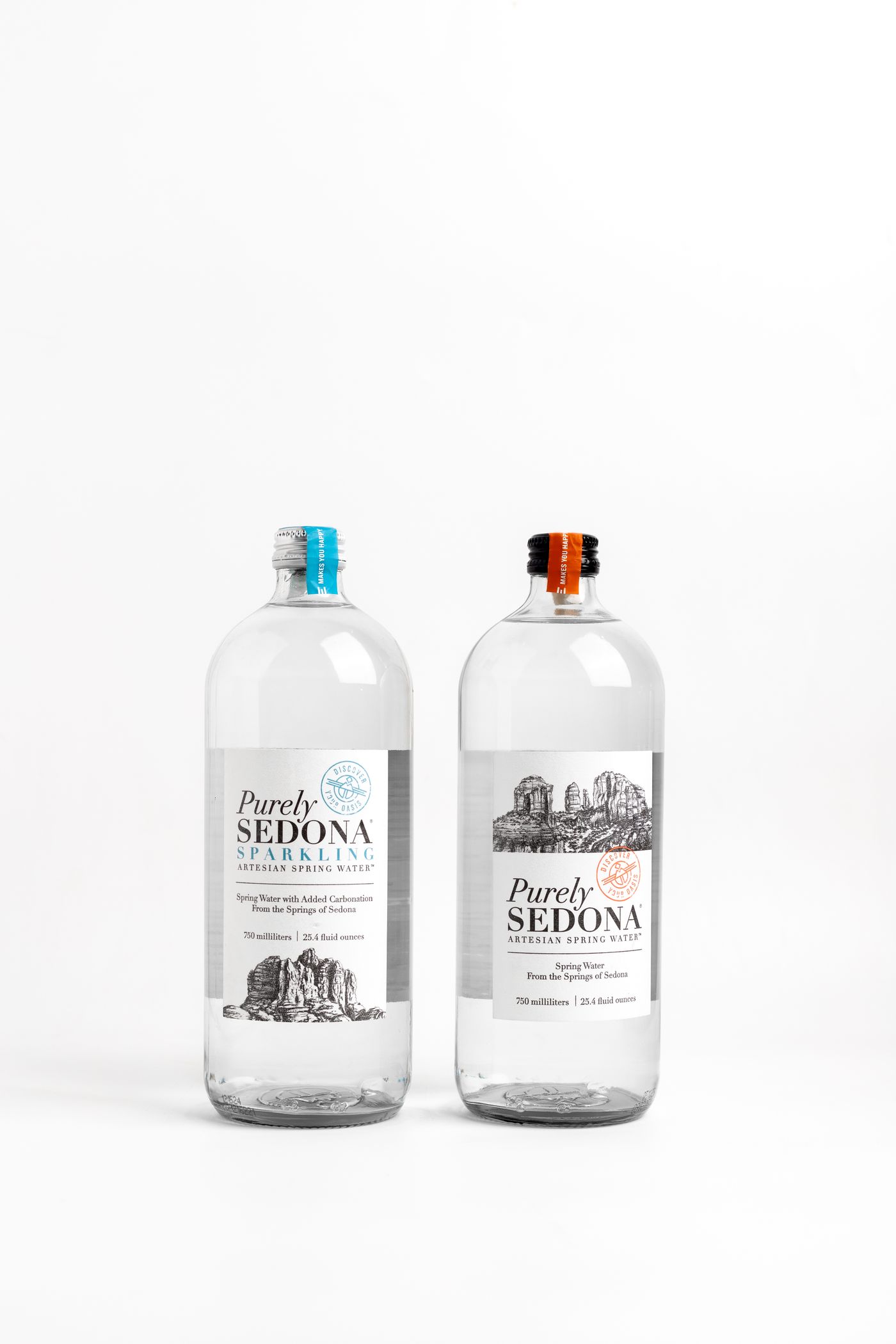
Even where watermarks are technically allowed, they cost you:
- They look less trustworthy, not more. Shoppers associate stamped images with defensive small operations, not established brands. Big retailers don't watermark, and buyers notice the difference even if they can't name it.
- They add clutter exactly where clarity sells. Your photo has one job: show the product. Anything sitting on top of it is friction.
- They barely stop determined thieves. A corner logo gets cropped in seconds, and even a full diagonal stamp falls to clone tools and AI-powered removal. Watermarks mostly stop the people who were never your real problem.
What Actually Protects Your Product Photos
If watermarks are mostly theater, what's the real defense? Three layers.
Monitor with reverse image search. Drop your hero shots into Google Images or TinEye once a month. It takes ten minutes and surfaces unauthorized use far sooner than confused customers will.
Shoot photos that are hard to reuse. A generic product on a plain white square is anonymous — easy to steal precisely because it could belong to anyone. A distinctive branded scene is the opposite: recognizable, attributable, and awkward for a thief to pass off. Cut your product out cleanly with remover.bg, then build a signature look with custom backgrounds and realistic shadows. A distinctive custom background doubles as theft insurance.

File DMCA takedowns when you find theft. Marketplaces have infringement report forms, and web hosts almost always honor DMCA takedown notices — ignoring one costs them their legal liability shield. Keep your originals — full-resolution files, edit history, upload dates — as ready proof of photo ownership. A well-documented notice usually does the job without a lawyer.
When Watermarks Still Make Sense
None of this means the watermark is dead. It just belongs somewhere specific:
- Client proofs — photographers sending previews before final payment. Here the watermark isn't decoration; it's the paywall.
- Portfolio and stock previews — when the image itself is the product, marking the preview protects the thing being sold.
- Supplier and freelancer drafts — work-in-progress files shared outside your team, where leaks can happen before launch.
- Social lifestyle content — a small, tasteful corner logo on shareable posts is branding, not armor. Just keep it off anything feeding a marketplace listing; branded text and logos belong in Amazon A+ content modules, which are built to carry them.
Notice the pattern: watermarks work when the marked image is a preview of the thing being sold, not the sales image itself.
The Bottom Line
Watermark the proof, never the listing. On Amazon and Google Shopping a watermark is a compliance problem; everywhere else it's a conversion tax with weak security benefits. Protect your product photos the way that actually works in 2026: make them distinctive enough to be recognizably yours, check where they're showing up, and file takedowns when someone crosses the line. Your logo belongs on the product — not stamped across the photo of it.