 English
 Español
 Português (BR)
 Deutsch
 Français
 Italiano
 Türkçe
 Bahasa Indonesia
 Русский
 日本語
日本語 한국어
한국어 Українська
 Tiếng Việt
 Polski
 Nederlands
 ไทย
ไทย Română
 简体中文
简体中文 繁體中文
繁體中文 العربية
 Български
 Filipino
 हिन्दी
 اردو
اردو বাংলা
বাংলাSell Used Items Online: Photo Tricks That Make Buyers Click
Sell used items faster on eBay, Vinted, and Marketplace: why a clean background lifts perceived value, and how honest flaw close-ups cut lowball offers.
- secondhand selling
- product photography
- ebay
- vinted
- facebook marketplace
- background removal

The same jacket, the same price, the same platform — and one listing sells in two days while the other collects watchers and dust. The difference is almost never the description. It's the photos.
On eBay, Vinted, and Facebook Marketplace, buyers scroll fast and judge faster. Your photo is the storefront, the sales pitch, and the trust signal rolled into one thumbnail. New products get studios and stylists; your used blender gets whatever corner of the kitchen it happens to be sitting in.
Good news: closing that gap takes a phone, a window, and about ten extra minutes. Here's how to shoot used items so they sell — quickly, honestly, and for more than you expected.
Why Photos Decide Whether Your Used Item Sells
A buyer scrolling Facebook Marketplace gives your listing about a thumbnail's worth of attention. On Vinted and eBay, your first photo competes in a grid against dozens of near-identical items. Win the thumbnail, and everything else — the description, the haggling, the shipping question at 11 p.m. — gets a chance to happen.
Photos also do work that words can't. "Good condition" is an opinion; a sharp photo from four angles is evidence. A complete photo set means fewer "can you send more pics?" messages, fewer lowball offers justified by uncertainty, and fewer returns from buyers who imagined something different.
For used items this matters even more than for new ones. New products have official images buyers already trust. Your secondhand item is one of a kind, so your photos are the only proof of what it actually is.
Show the Flaws — Honesty Is a Sales Tactic
Instinct says hide the scratch. Instinct is wrong.
A clear, well-lit close-up of the flaw does three things. It builds trust ("if they're showing me this, they're not hiding anything else"). It filters out the buyers who would have opened a dispute later. And it lets you price with confidence, because there's no awkward reveal coming.
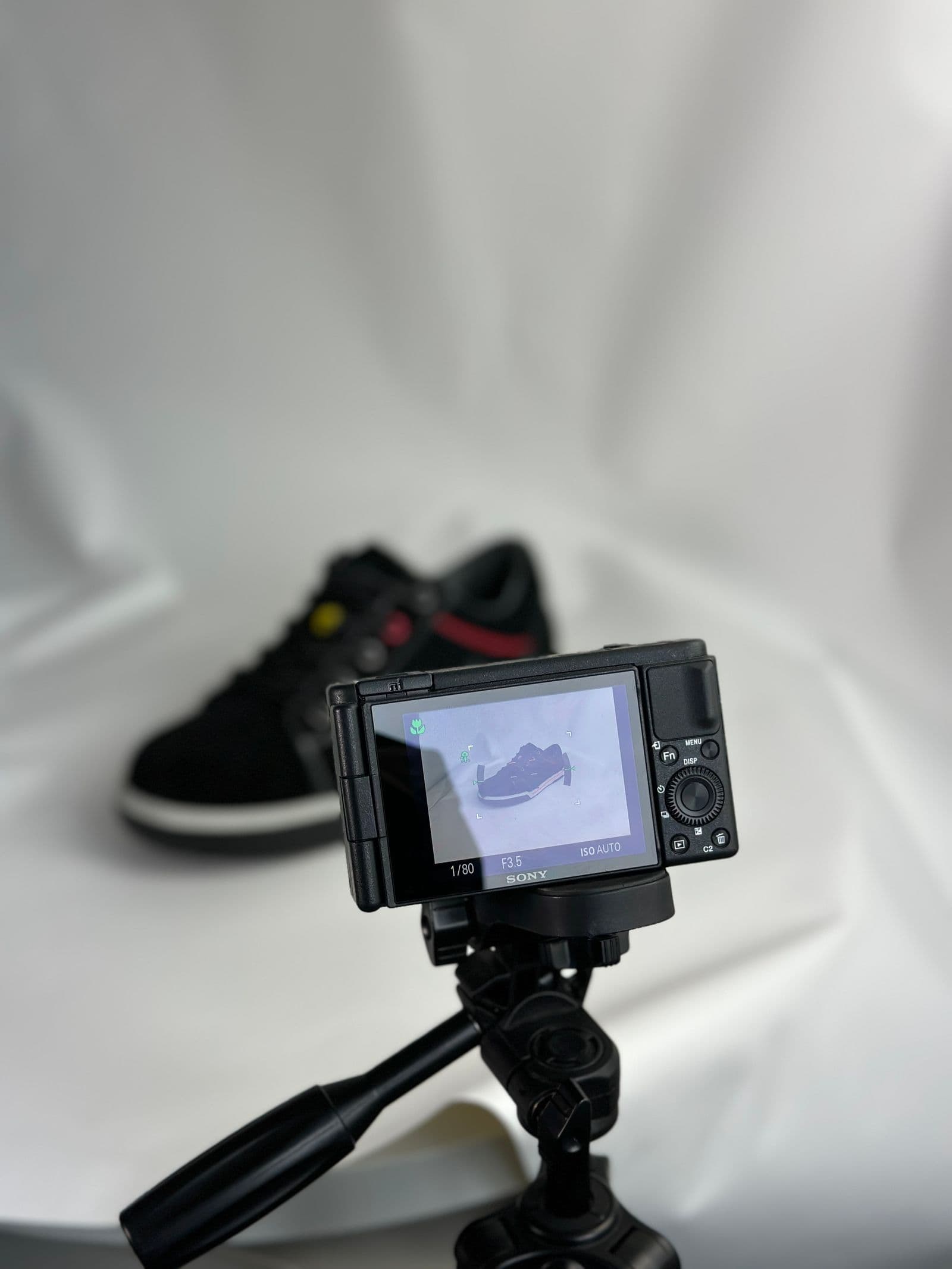
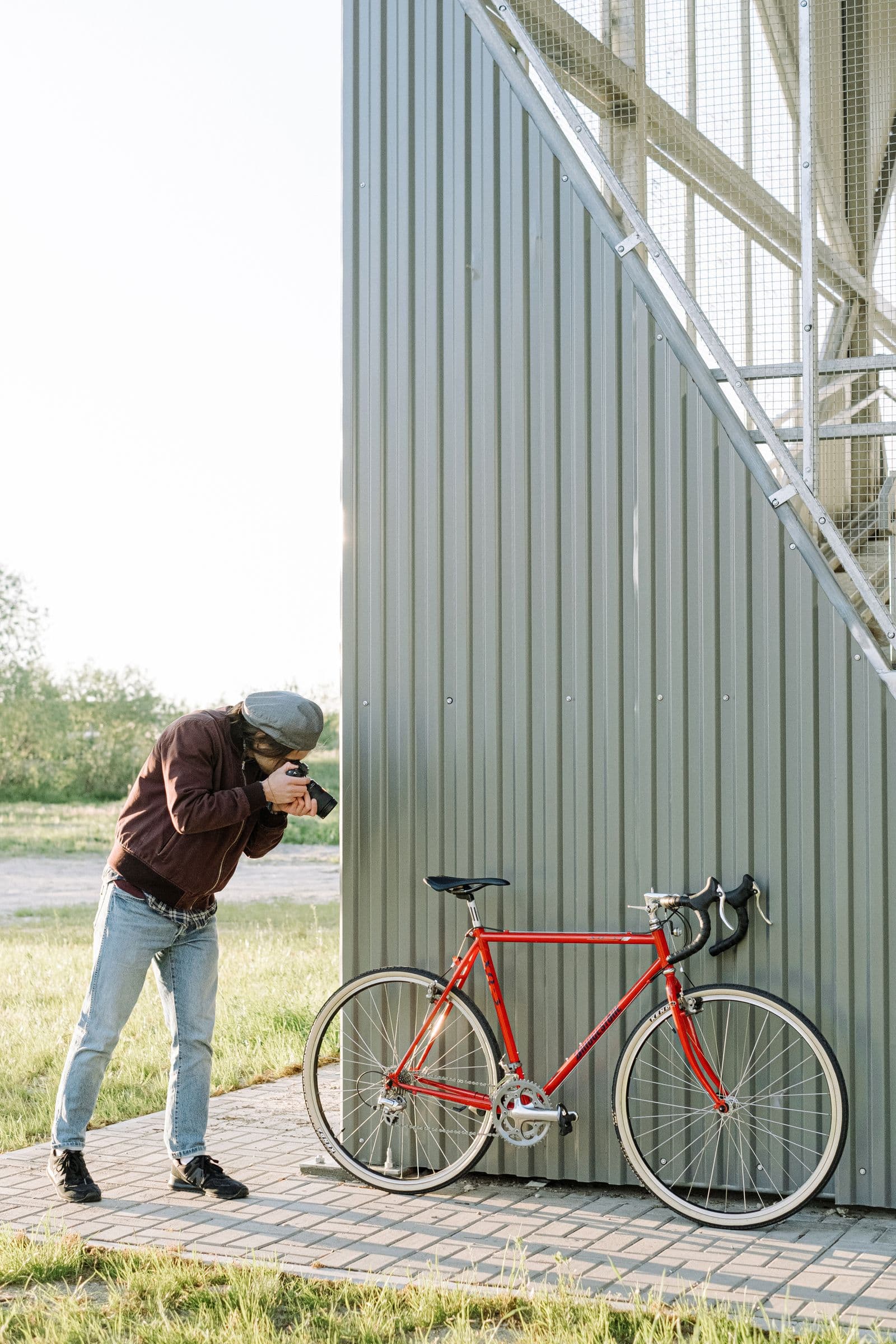
Shoot flaws the same way you'd shoot the good parts: sharp focus, bright light, close enough to show exactly what's wrong and no more dramatic than reality. One wide shot for context, one close-up for detail. Then mention it in the description so the photos and the text agree.
The Clean-Background Trick That Raises Perceived Value
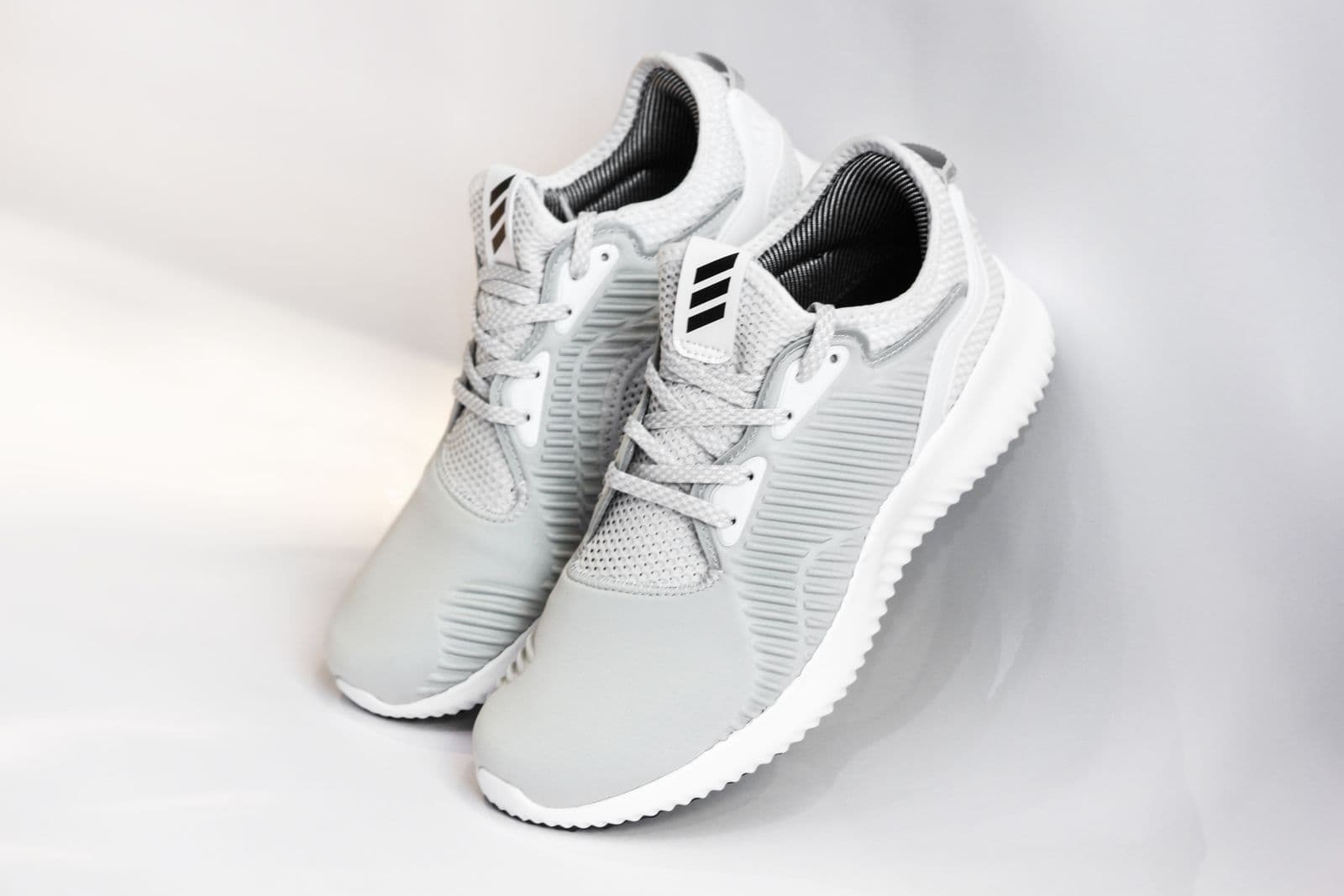
Here's the quiet psychology of secondhand shopping: buyers judge the item by the room it's photographed in. A lamp on a cluttered desk next to a cereal bowl reads as "stuff someone is getting rid of." The same lamp on a clean, neutral background reads as "an item someone cared for." Same lamp. Different price ceiling.
You don't need to renovate your apartment. Shoot the item wherever it lives, then remove the background with remover.bg — the AI handles fiddly edges like knit textures, fur trim, and frayed seams cleanly. Drop the item onto a solid light color, add a realistic shadow so it doesn't look pasted on, and your kitchen-table photo suddenly looks like a catalog page. If you want the full walkthrough, here's how to change a photo background step by step.
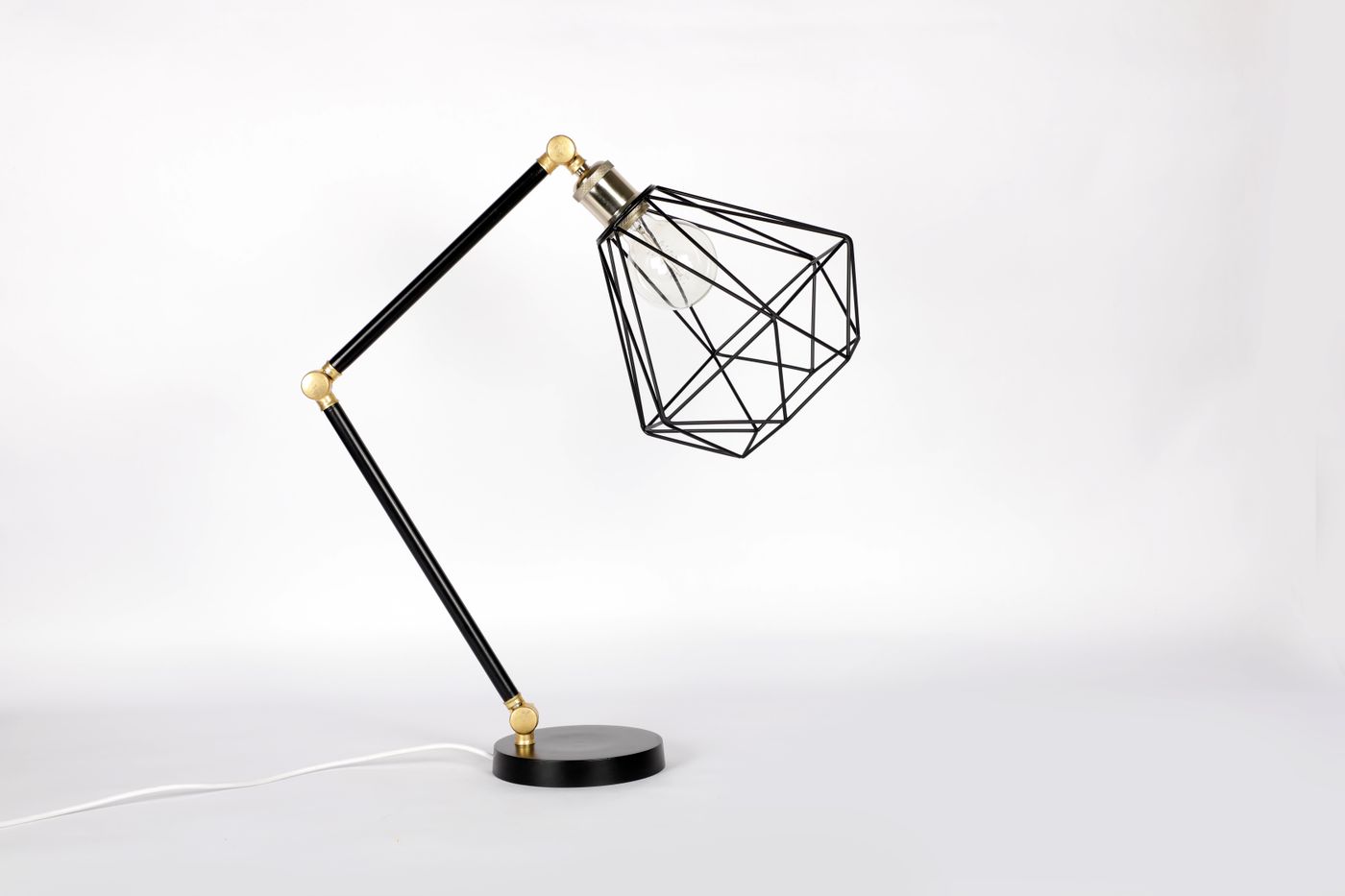
One rule: clean the background, never the product. Removing clutter is presentation. Removing scratches is misrepresentation — and it comes back as a return, a refund, and a one-star review. The same rule carries over to used auto parts listing photos, where wear and damage are exactly what the buyer is inspecting.
Quick Photo Tips by Category
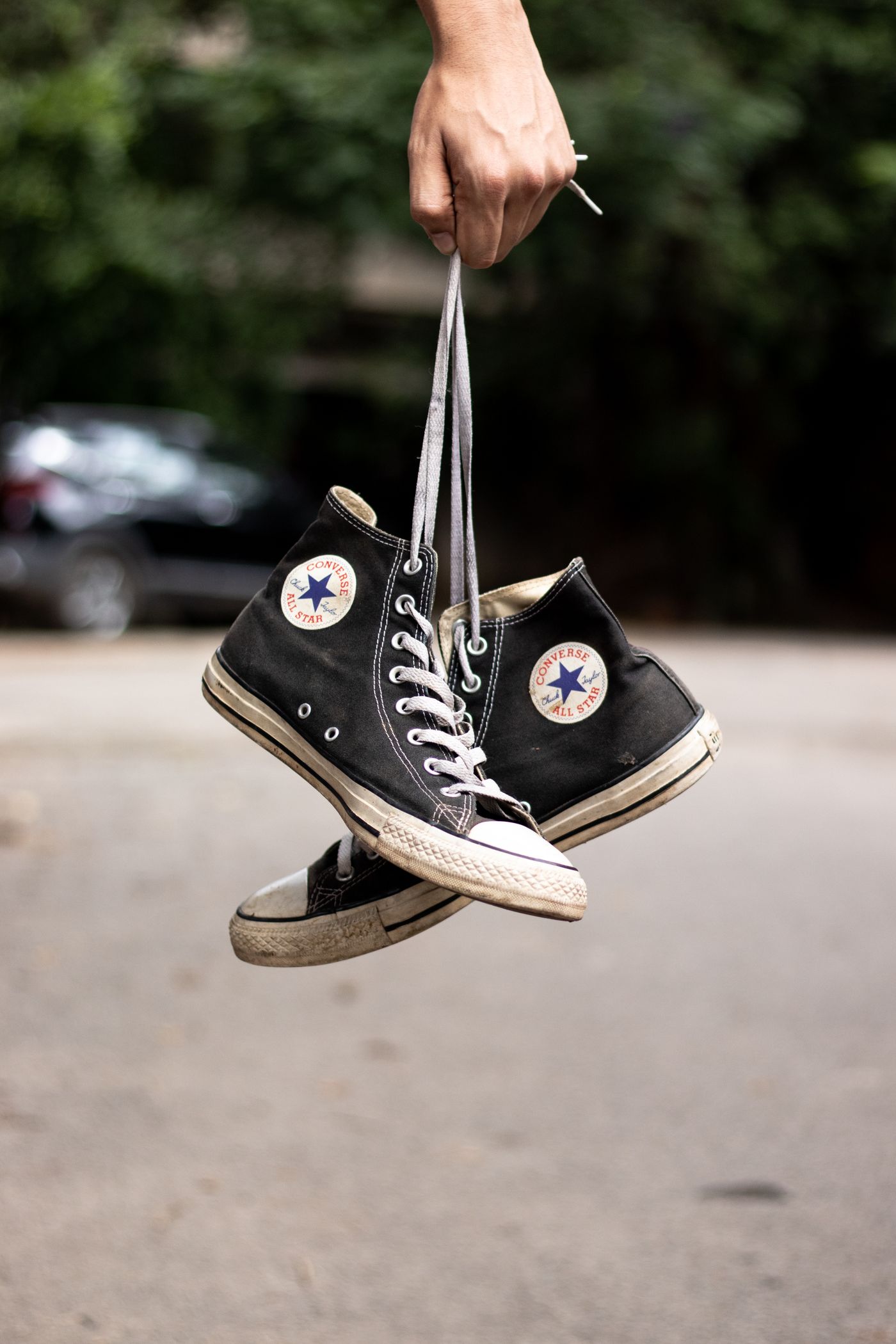
- Clothes — Wash and de-lint first; cameras find every fuzz ball. Flat-lay on a plain sheet or hang on a simple hanger, shoot in daylight, and add close-ups of the brand tag, size label, and fabric texture. Whether flat lay, mannequin, or on-model suits a garment is worth deciding before you shoot. Selling kicks? Sneakers are their own science — see our sneaker photography guide for resale.
- Electronics — Photograph the device powered on with something on the screen; dead black rectangles make buyers nervous. Shoot every port, the label with the model number, and one group shot of everything included: cables, remote, original box if you have it.
- Furniture — Pull the piece away from the wall and shoot from a corner angle at standing height so buyers can read its proportions. Add close-ups of joints, drawer interiors, and any wear. Note the dimensions in the listing — furniture buyers always ask. Selling bigger pieces regularly? Our furniture product photography guide goes deeper on light, angles, and staged room scenes.
- Toys — Clean them (seriously), group complete sets in one shot so nothing looks missing, and photograph the battery compartment open. For collectibles, box condition can matter as much as the toy, so give the packaging its own photo; trading cards have their own rules, covered in our guide to photographing trading cards for resale.
The Takeaway
Secondhand buyers are making a bet on a stranger's honesty. Photos are how you win that bet before it's placed.
- Shoot in daylight, from every angle a cautious buyer would want.
- Show flaws clearly and price accordingly.
- Clean up the background — digitally is fine — and let the item look like it was worth owning.
Ten extra minutes per listing. Faster sales, fewer messages, better prices. That's the whole trick.