 English
 Español
 Português (BR)
 Deutsch
 Français
 Italiano
 Türkçe
 Bahasa Indonesia
 Русский
 日本語
日本語 한국어
한국어 Українська
 Tiếng Việt
 Polski
 Nederlands
 ไทย
ไทย Română
 简体中文
简体中文 繁體中文
繁體中文 العربية
 Български
 Filipino
 हिन्दी
 اردو
اردو বাংলা
বাংলাUsed Auto Parts Photos That Sell on eBay Motors
On eBay Motors, used auto parts photos are the whole inspection: what buyers check first, lighting oily metal without a studio, and shots you never clean up.
- used auto parts
- ebay motors
- salvage yard
- product photography
- background removal
- car parts
- ecommerce
- listing photos
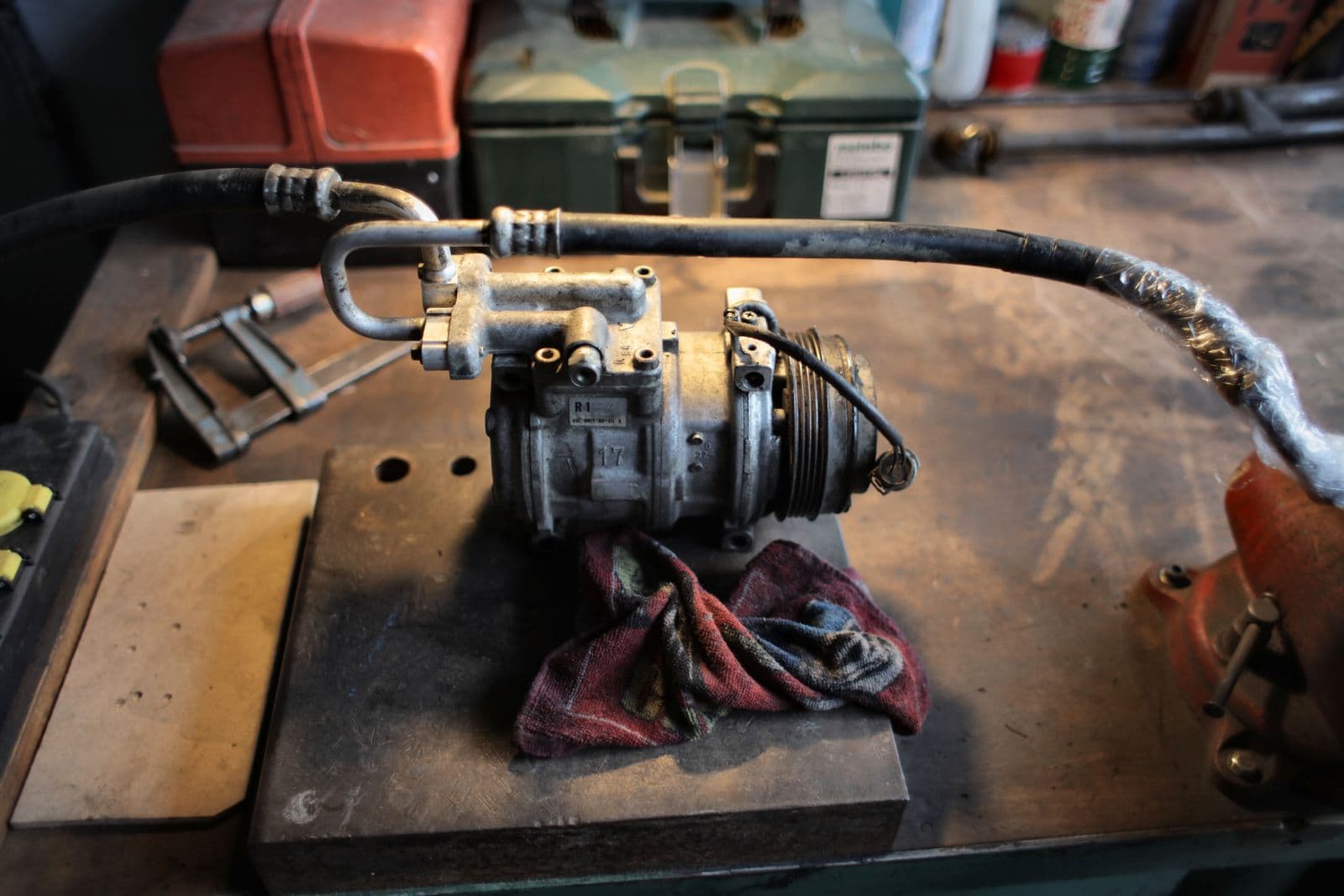
A used alternator photographed on stained concrete next to a coolant puddle looks like scrap. The same alternator — same casting marks, same bench test — on a plain grey background looks like inventory. What changed is how fast a buyer decides you're a real operation.
On eBay Motors your buyer isn't comparing your part to a new one. They're comparing it to a screen full of near-identical listings from other yards, all shot on similar floors, all claiming the same interchange. They can't pick it up — they have your photos, your fitment data and your feedback score.
None of this needs a studio: one repeatable spot in the building, a phone, a rag, and a firm rule about which photos you clean up and which you never touch.
What the buyer is actually squinting at
A parts buyer runs three visual checks, and runs them fast — usually before reading a word of the description.
- Is this the right part? They want the casting number, OEM number or housing sticker legible enough to compare against the one they just unbolted.
- Will it bolt on? Mounting ears, bracket geometry, connector type, pulley or spline profile.
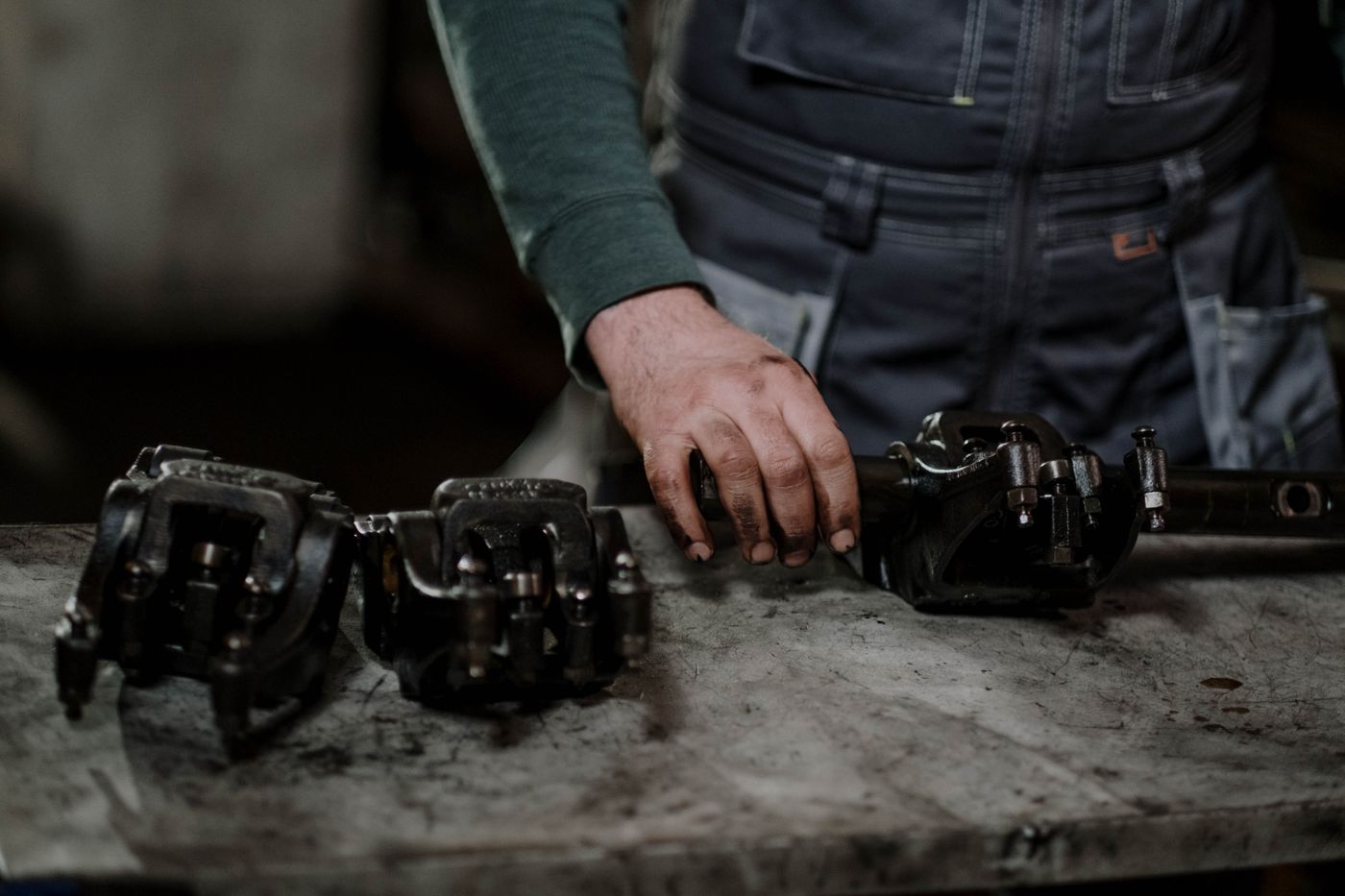
- How worn is it? Brush wear, pitting on a face, thread damage, kerb rash on an alloy, crazing on a lens.
Fill eBay's compatibility table in properly; it is built from vehicle attributes, year through engine. The casting or manufacturer part number goes in the item specifics instead. But buyers verify with their eyes before trusting a fitment table. One photo where the casting number is readable will usually head off more pre-sale questions than three paragraphs of description.
Shooting dark, oily metal without a studio
Most parts are cast aluminium, black plastic or oily steel: low contrast overall, blindingly reflective in patches. Three changes fix most of it.
Get the part out of direct sun and away from overhead fluorescents. An open roller door, part a metre inside, gives soft directional daylight that shows form without blowing out machined faces.
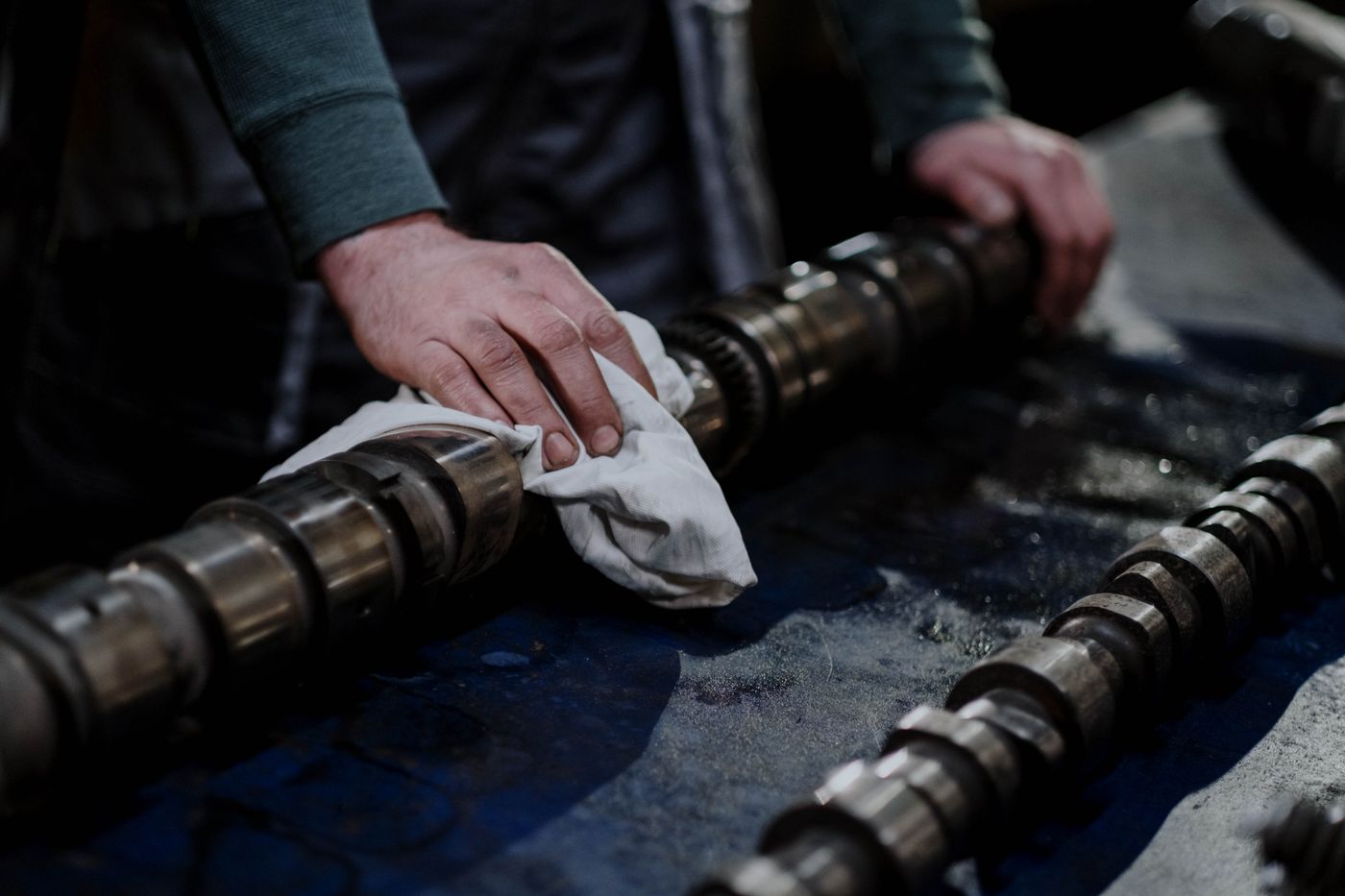
Wipe it. Not a rebuild — a rag across the flat faces and the label. Grease photographs as damage even when it isn't.
Then get it off the floor. Clean MDF or neutral card on a bench at chest height, left there permanently, means every part is shot at the same distance and angle. Alloys and mirror caps throw the same reflections as a whole car, so these car photography tips apply at part scale.
The four shots, in order
- The hero. Three-quarter view, whole part in frame, from the angle a mechanic recognises it from. It becomes your thumbnail, so it has to read small.
- The mounting face. Square-on and flat to the camera, so bolt spacing and bracket shape compare against the old unit.
- The number. Fill the frame with the casting or part number, tap to focus, brace your elbows.
- The wear shot. The scuff, the chipped fin, the corroded lug — deliberately lit and in focus.
That fourth shot feels like it costs you sales. It does the opposite: a buyer who saw the pitting before paying doesn't open a not-as-described case later.
Clean the hero, never the damage
Here's the split that keeps you honest: cut the hero shot out of the yard onto a plain background, and leave the condition shots exactly as they came off the phone.
remover.bg does the cutout from a phone photo, then drops the part onto white, a neutral grey or your own backdrop, with a realistic drop shadow so a heavy iron part doesn't float, and how to add realistic shadows covers where to put it. Awkward silhouettes are the real test: a radiator core, a wheel whose open spokes have to read as background, not object. Same problem as a whole car with its glass intact, just smaller.
Know the rules. eBay asks for a minimum resolution of 500 x 500 pixels and recommends around 1600 x 1600 so buyers can zoom, with each image no larger than 12 MB. It also tells sellers not to add text, artwork, logos or watermarks to listing photos. A plain background isn't added artwork. Stamping "GENUINE OEM — FAST SHIP" across the corner is: eBay says that kind of overlay can hurt where your listing places in search and keep your images out of external search results. Check its current picture policy before you put anything on top of an image.
Forty listings that read as one inventory
The biggest upgrade for a yard isn't any single photo. It's picking one background — white, or a light grey that stops pale aluminium disappearing — and putting every hero shot on it.
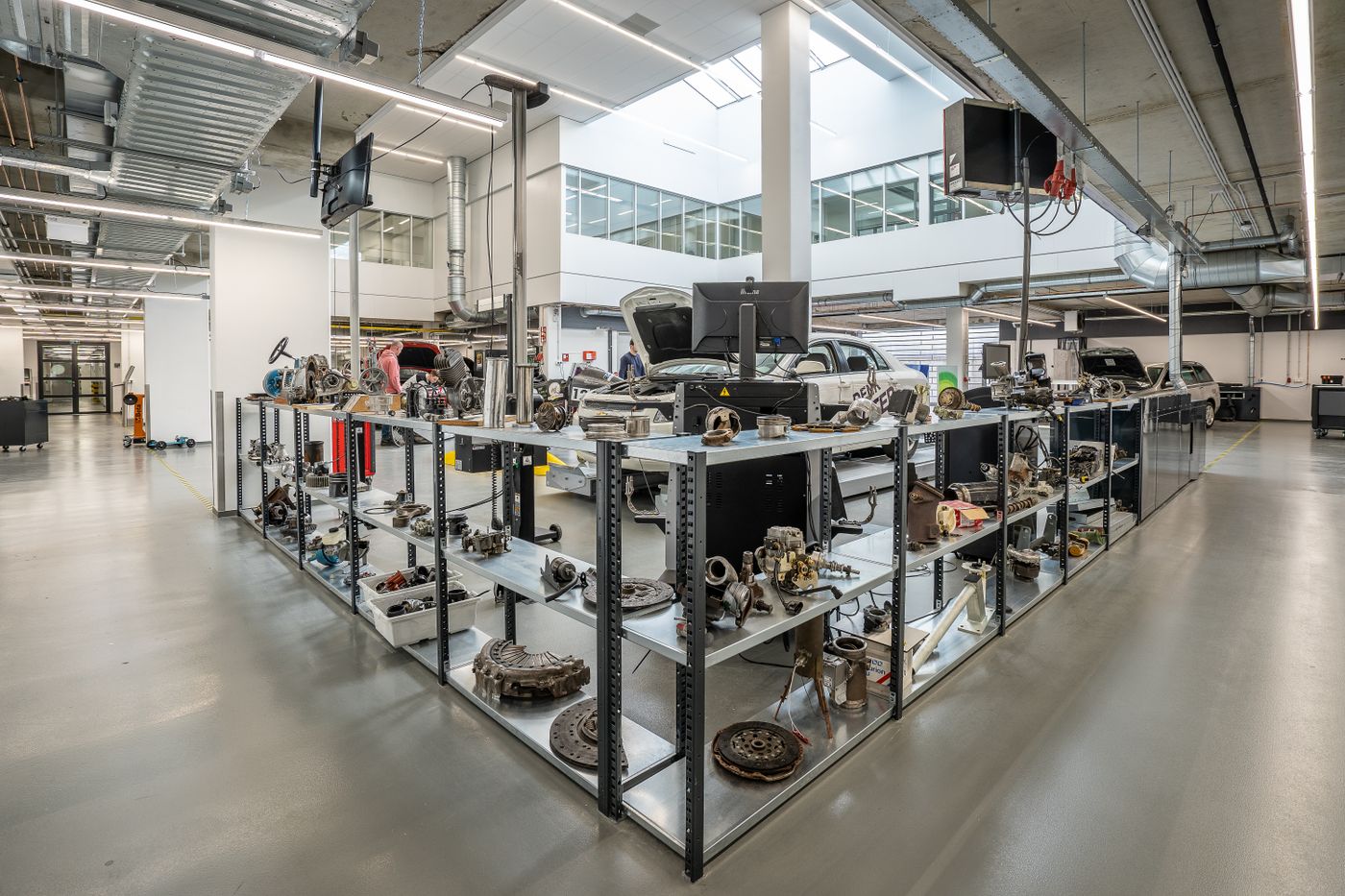
Do that and your eBay store page, your Marketplace grid and your own site stop looking like forty photos taken on forty days in four corners of the building. They look like a catalogue, and buyers who land on one listing start browsing the rest. If you process hundreds of parts a month, the background removal API puts this step inside your listing tool instead of your hands.
Start with next week's stock
Don't reshoot the backlog. Set up the bench, the card and the roller-door light today, run the four-shot routine on everything that comes off the racks this week, and let the old listings age out. By the time that stock sells through, the store page has changed shape.