 English
 Español
 Português (BR)
 Deutsch
 Français
 Italiano
 Türkçe
 Bahasa Indonesia
 Русский
 日本語
日本語 한국어
한국어 Українська
 Tiếng Việt
 Polski
 Nederlands
 ไทย
ไทย Română
 简体中文
简体中文 繁體中文
繁體中文 العربية
 Български
 Filipino
 हिन्दी
 اردو
اردو বাংলা
বাংলাFarm Equipment Listing Photos That Sell Used Machinery
A field-side shot list for farm equipment listings: where to park the machine, the eight frames used-tractor buyers look for, and an honest hero image.
- farm equipment
- tractor photography
- listing photos
- used machinery
- background removal
- dealer photography
- marketplace listings
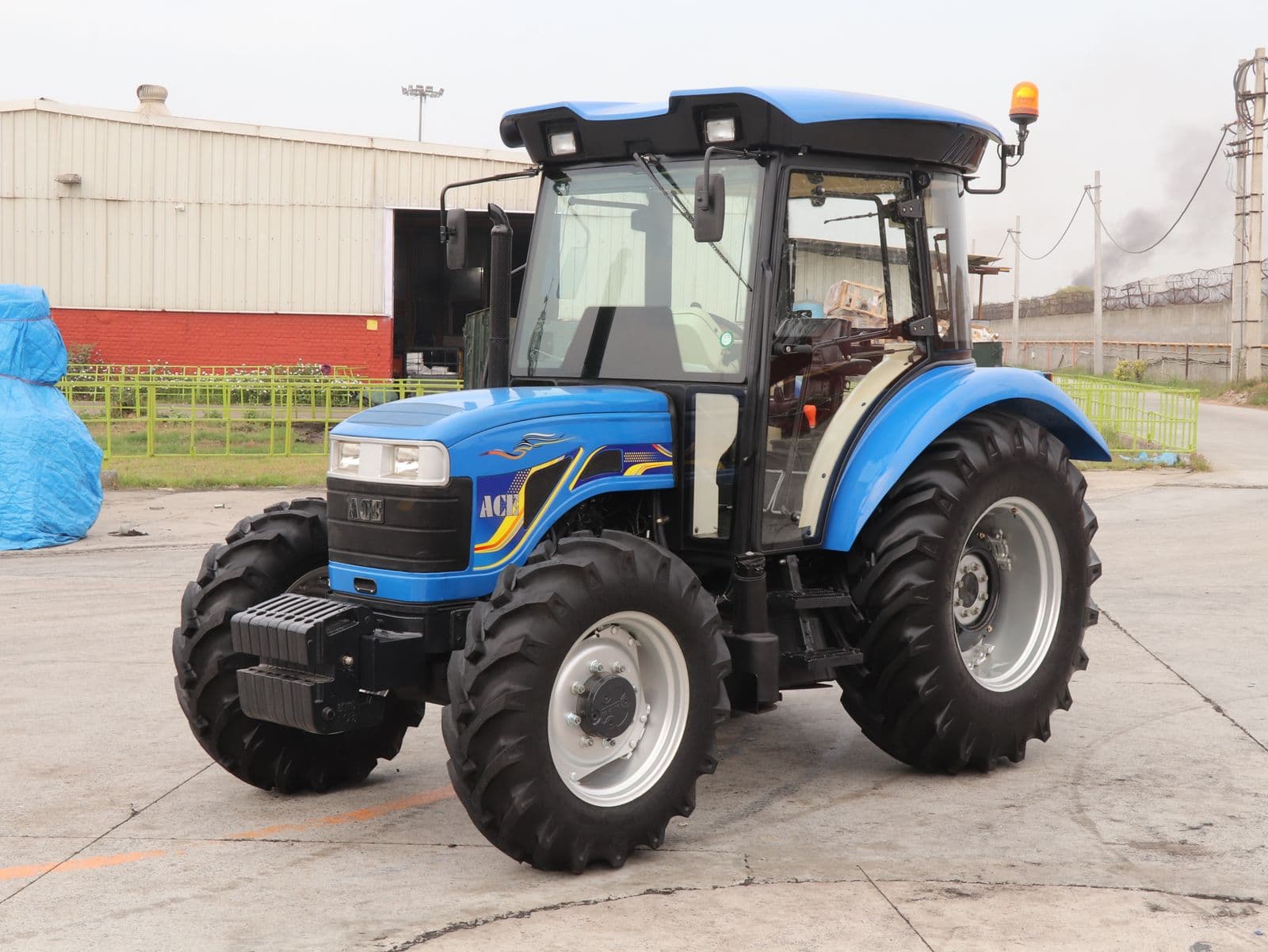
Nobody buys a used tractor from one photo. But the first photo decides whether a buyer opens the listing, and on TractorHouse, MachineryTrader or Facebook Marketplace yours sits in a scrolling results feed beside dozens of machines of the same colour, year and hour count.
The machine is usually fine. What sinks the listing is behind it: a stack of round bales, a half-dismantled combine, a skip and a diesel bowser. Buyers read that yard as neglect, fair or not.
This is a field-side shot list for dealers, auctioneers and farmers selling privately, written for twenty minutes between jobs and wet ground.
Park it somewhere boring first
Before you touch the camera, move the machine. The biggest improvement available is fifty metres of driving: a bare field edge, a concrete pad by a plain shed wall, a headland with open sky behind. Anything that is not more machinery.
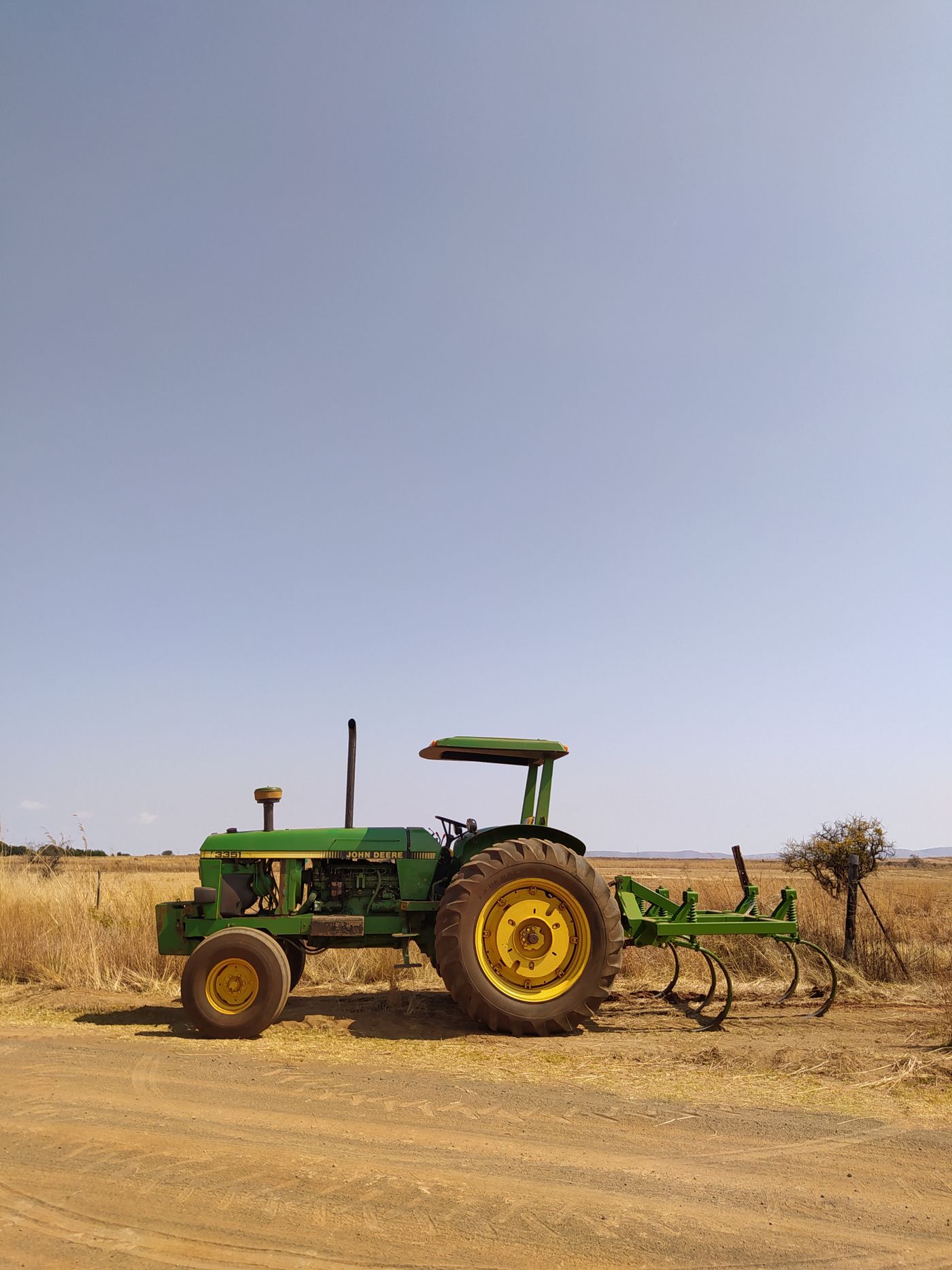
Put the sun behind you and slightly to one side. Low sun rakes across a loader arm and shows its shape; overhead midday sun flattens the same arm and drops a hard black pool under the axles. Shoot into the sun and you get flare and a silhouette. Flat overcast beats golden light you never wait for.
Wipe the glass and hour meter, and knock the worst mud off the tyres and steps. A buyer expects a used machine to look used, not to squint at a clogged tread.
The shot list
Work through it in the same order every time; every listing ends up identically structured.
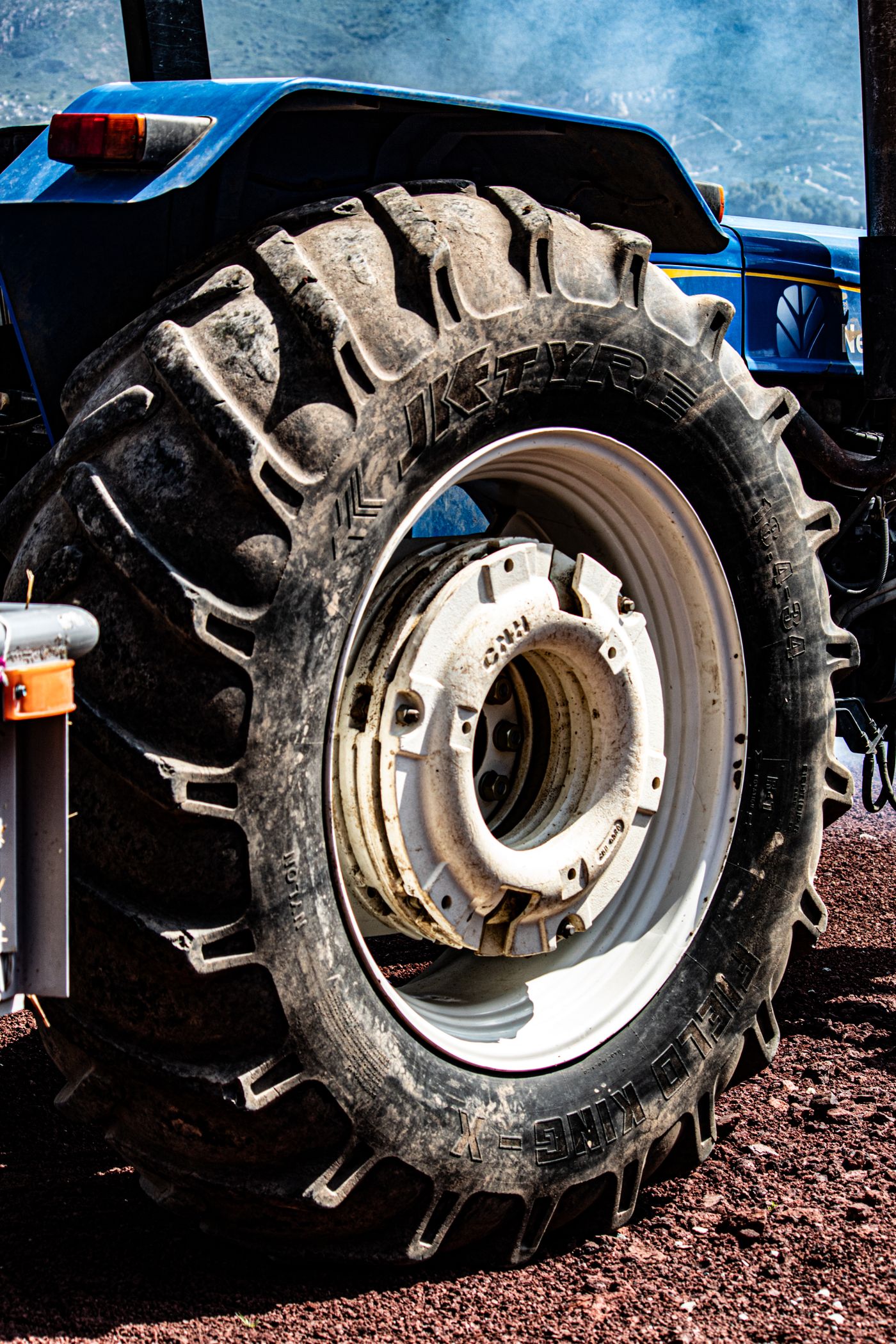
- The three-quarter hero. Front corner, front face and one full side in frame, camera at wheel-hub height. Low flatters a machine; standing height makes it look like a toy. Turn the front wheels slightly towards the lens — the angle that works in car photography.
- Flat side, front and rear elevations. Boring frames buyers use to spot a bent three-point arm or a replaced panel.
- The hour meter or display, powered up and sharp enough to read.
- Tread on all four tyres, square-on to the tread face, with a boot or tape in frame for scale.
- Hitch, drawbar, PTO stub and remotes. Spline wear tells an experienced buyer more than the hour meter.
- Cab interior: seat, armrest, pedals, floor. Shoot from one doorway with the opposite door open so daylight comes through.
- Undercarriage and engine bay, including any seep or patched hydraulic line. An undisclosed leak usually resurfaces as a price renegotiation on your driveway, and dealer disclosure duties can reach further than that.
- Serial and model plate, wiped clean and in focus.
Cleaning the hero without misleading anyone
Sometimes there is nowhere clean to park: a dealer's yard is machinery by definition, and an auctioneer working forty lots a day cannot reposition every one.
That is where cutting the machine out of its surroundings earns its place — on the hero image only. Check the listing rules of the site you sell on first: TractorHouse, MachineryTrader and Facebook Marketplace each set their own terms on listing images, and consumer-protection duties on describing used machinery differ for dealers and private sellers.
Drop the tractor onto flat white or soft mid-grey, add a contact shadow under the tyres, and it reads as a product, not a yard snapshot. remover.bg applies the same automatic glass handling to a cab: clutter visible through the rear window and door glass is cleaned with everything else, and the glass comes back as glass, not a punched-out hole. Heavily tinted panels stay opaque, as in life. Same job as car photo backgrounds, bigger cab.
The line to hold is simple: the hero can have its background replaced, the condition shots never are. Tread, rust, seep, a cracked work light, a split seat cushion stay exactly as shot, mud included. A clean hero plus honest, grubby detail shots reads as a professional seller; eight suspiciously tidy images reads as somebody hiding something.
A realistic shadow is the difference between a machine sitting on a surface and one pasted onto it.
Making forty listings look like one dealership
The commercial argument shows up at volume. One tractor on white looks fine. Thirty on the same white, all shot from the same three-quarter angle, read as a dealership rather than a classifieds dump — even if three people shot them on three phones.
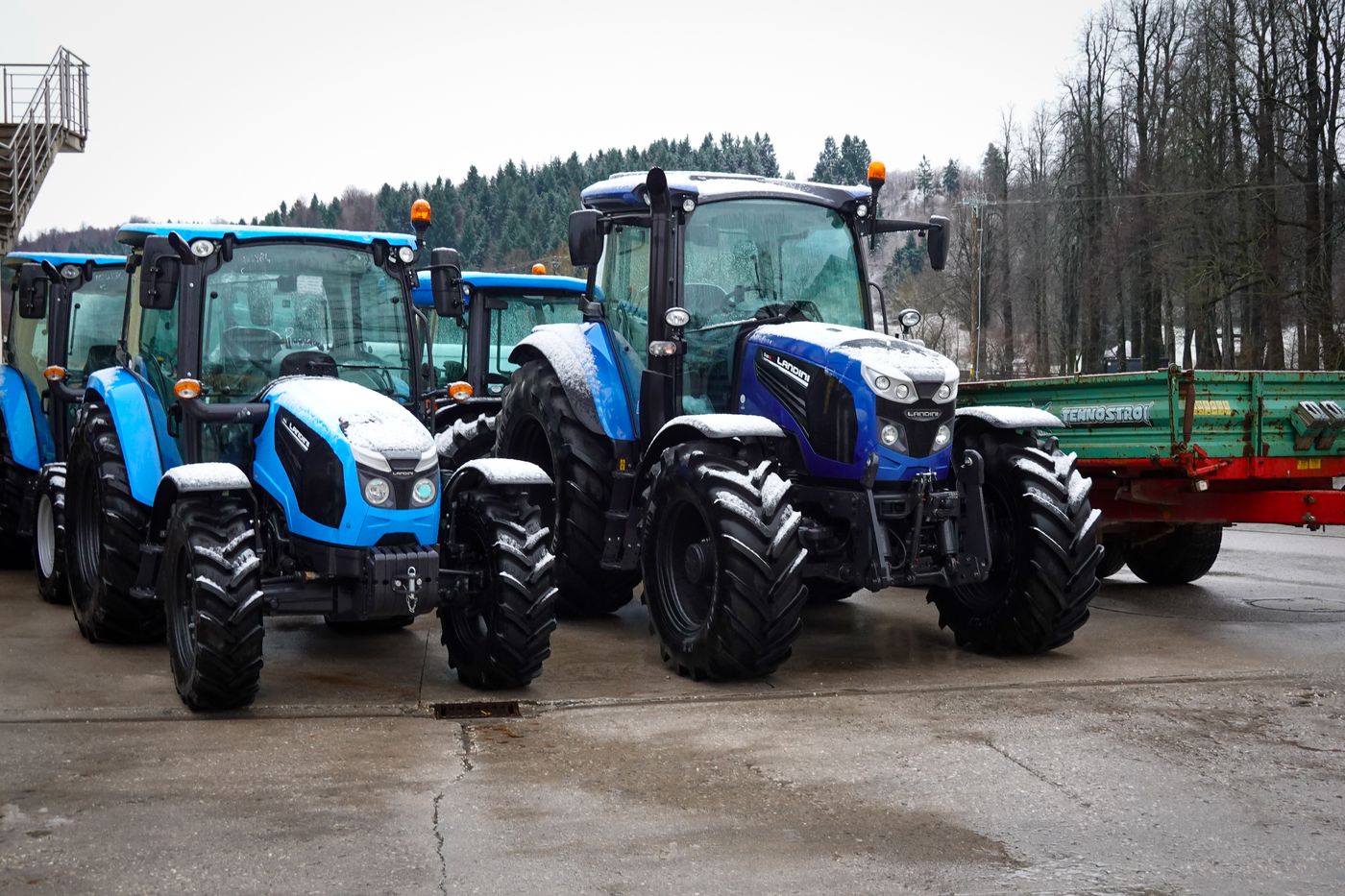
Pick one background and never change it. White is safest for classified sites; soft grey hides less of a white-painted skid steer. On a branded site, one muted brand colour is stronger.
Shoot JPEG on the phone, keep each file under remover.bg's 10 MB upload limit, and export PNG or WebP when you want a transparent hero to drop onto different colours later. Shoot on the phone at the machine and finish at the desk in the web app, dropping the machine onto a solid colour or your own backdrop photo and adding a shadow under the tyres. Dealers pushing hundreds of units through a feed should use the background removal API, the only route to batch processing.
Before you hit publish
Check the hero at thumbnail size, not full screen: can you still tell it is a loader tractor and not a telehandler? Then confirm the condition shots still look like a farmyard. Sell the machine on the hero, earn the deposit on the detail.