 English
 Español
 Português (BR)
 Deutsch
 Français
 Italiano
 Türkçe
 Bahasa Indonesia
 Русский
 日本語
日本語 한국어
한국어 Українська
 Tiếng Việt
 Polski
 Nederlands
 ไทย
ไทย Română
 简体中文
简体中文 繁體中文
繁體中文 العربية
 Български
 Filipino
 हिन्दी
 اردو
اردو বাংলা
বাংলা5 Ways to Increase Your eCommerce Store Sales
Five practical ways to lift store sales: smarter navigation, clean product photos, frictionless checkout, and a brand people return to.
- ecommerce
- online store
- product photography
- conversion
- marketing
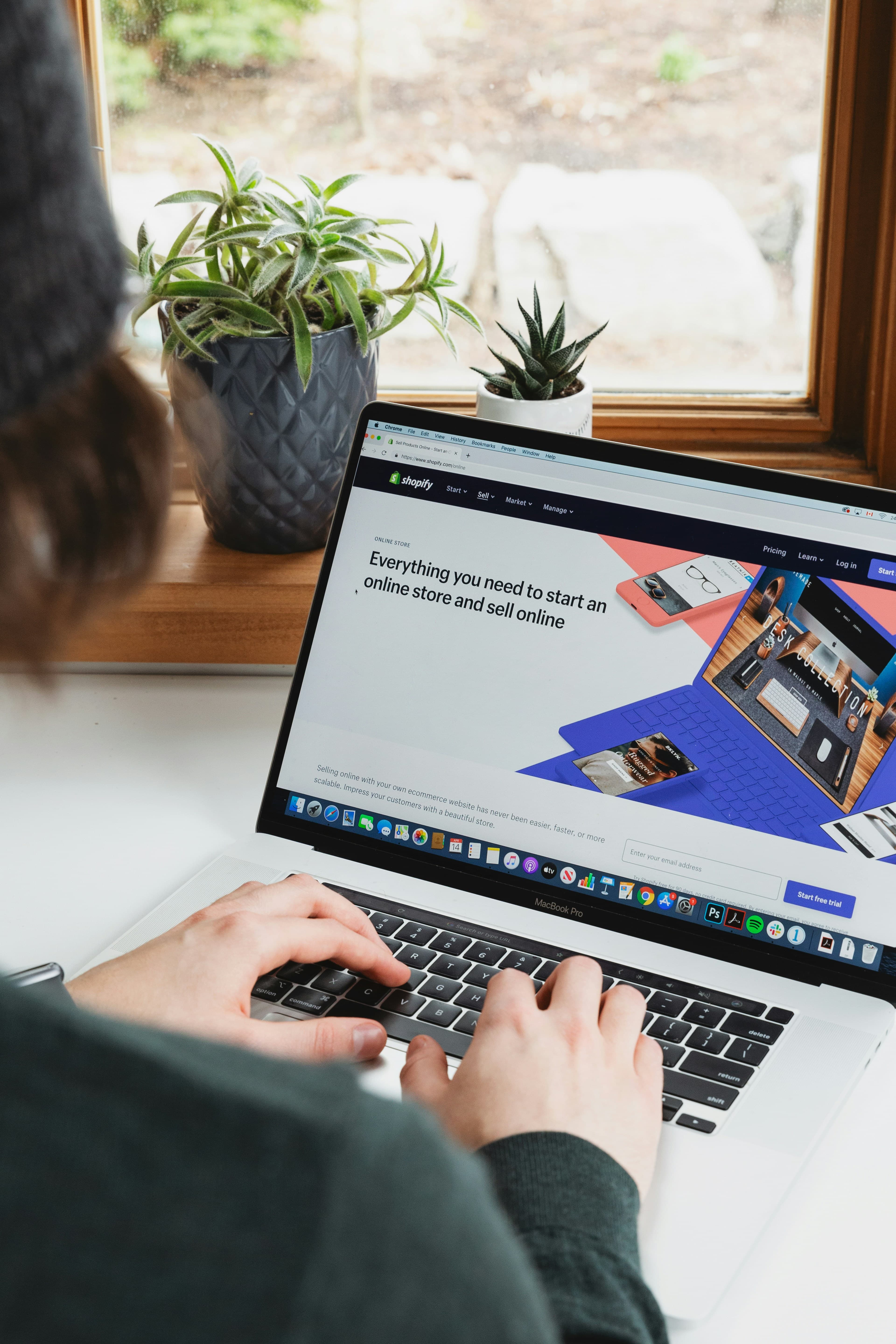
Launching an online store has never been easier — and that's exactly the problem. With new shops appearing every day, simply having a store is no longer enough to make sales. The good news is that most of what separates a thriving store from a struggling one comes down to fundamentals you can control. Here are five of them.
1. Make products effortless to find
Before you design a single menu, ask one question: how do your customers picture the things they're shopping for? Their mental map rarely matches your internal product categories.
Group everything you sell the way a buyer would — not just by product type, but by how, when, where, and why it gets used. Someone searching for "a gift for a runner" thinks very differently from someone browsing "men's socks." Build your navigation around those real intentions and every item gets a logical home.
Don't underestimate search, either. A large share of shoppers head straight for the search bar the moment they arrive, already knowing what they want. Fast, forgiving search that handles typos and synonyms pays for itself.
And keep your support pages clear. Shipping costs, returns, and payment options are make-or-break details — vague answers create hesitation, and hesitation kills sales. Start an FAQ page and feed it over time: every question your support team answers twice belongs there.
2. Show products in clean, professional photos
In a physical store, customers pick things up, turn them over, and check the details. Online, your photos are the only way they can do that. If shoppers can't inspect a product closely, they won't trust it — and they won't buy it.
Crisp images also help people navigate. A clear product silhouette against a clean background lets the eye scan your catalog quickly.
You don't need a studio for this. For smaller items, a tabletop lightbox gives you built-in lighting and a neutral backdrop. And when you're working with existing photos — a supplier's shots, or a snap that didn't turn out as well as you hoped — you can clean them up by removing the background in seconds with remover.bg, with no manual selecting required. It's the fastest way to get consistent, marketplace-ready images for platforms like Amazon and Etsy. If supplier shots are most of your catalog, our guide to making supplier photos your own covers permission and restyling. Clean, consistent photos pay a second dividend: they can rank in Google Images and bring in shoppers on their own — our image SEO checklist for online stores covers the file names, alt text, and formats that make it happen.
3. Build trust with great copy and reviews
Strong photos earn attention; strong words close the gap. Good product copy starts with the basics — clearly state the benefits, not just the specs. Then go further: imagine every question a buyer would ask a salesperson in person and answer it right on the page. Will it fit? How do I clean it? What's in the box? Each unanswered worry is a reason to close the tab.
Reviews matter just as much, because they're independent proof that your product is worth the money. The trouble is that most happy customers can't be bothered to write one. Lower the effort: a short post-purchase email or an on-site prompt works well, especially if you split the paths — invite satisfied customers to leave a rating, and route unhappy ones to your support team instead. You collect more public praise and catch problems before they go public. Whatever feedback you get, act on it.
4. Make checkout simple and safe
The journey from product to basket to "order confirmed" should feel like a downhill slope. Every extra field, every extra click, every unexpected step is a chance for second thoughts to creep in.
The biggest culprit is forced account creation. Many shoppers see it as a wall and turn around. At a minimum, all someone needs to place an order is an email, a password, and a clear opt-in checkbox. If registering genuinely benefits them, say so — or collect the details gradually rather than all at once. On the final step, strip out distractions: fewer links near the "confirm" button means fewer ways to wander off.
5. Build a brand customers return to
Online, the giants win on selection — they promise everything. You can't out-"everything" Amazon, so don't try. Win on what they can't fake.
Be genuinely likable, and be the best at one specific thing. Don't fear being niche; a focused store that nails quality at a fair price builds loyalty that marketplaces never will. Publish content that informs or entertains rather than constantly sells, and use it to grow a newsletter you can stay in touch with.
Consider fresh pricing models, too — subscriptions and curated "clubs" are increasingly popular, and they sell something extra: peace of mind, the comfort of never having to think about restocking.
Above all, let your enthusiasm show. A real love for what you sell is the one thing you and your best customers will always have in common.