 English
 Español
 Português (BR)
 Deutsch
 Français
 Italiano
 Türkçe
 Bahasa Indonesia
 Русский
 日本語
日本語 한국어
한국어 Українська
 Tiếng Việt
 Polski
 Nederlands
 ไทย
ไทย Română
 简体中文
简体中文 繁體中文
繁體中文 العربية
 Български
 Filipino
 हिन्दी
 اردو
اردو বাংলা
বাংলাShould You Hide Your Plate in Car Listing Photos?
Whether to hide the plate when you sell a car, what a visible VIN gives away, the location clues in reflections and backgrounds, and where honesty stops.
- car listing photos
- privacy
- license plate
- vin
- automotive
- background removal
- used car selling
- listing photos
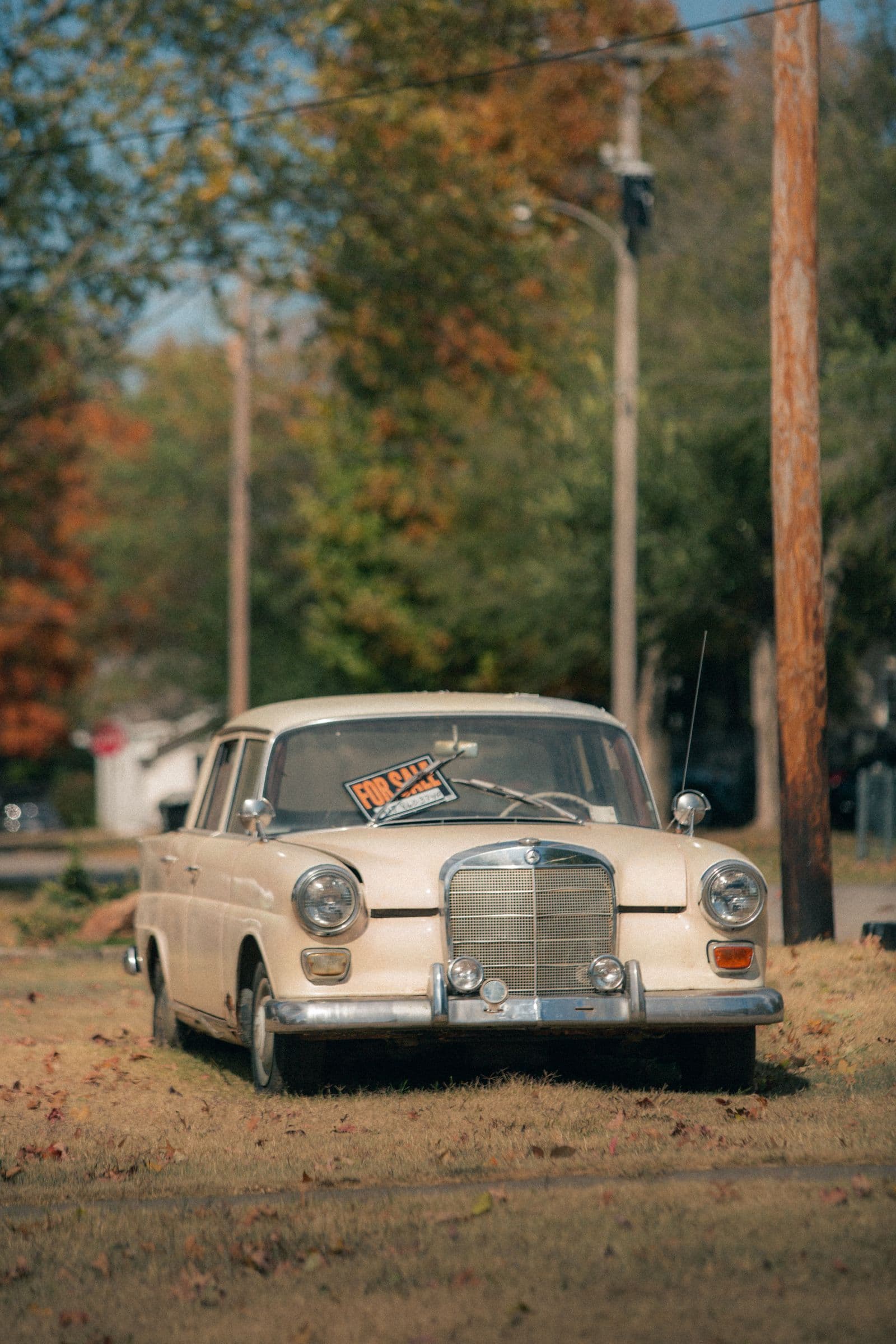
Someone asks this in every used-car group: do I need to cover the number plate before I post the photos? The replies split between "nobody cares" and vague warnings about cloning.
Here is the middle. Your plate is not a secret — it is on public display every time you drive. What changes online is context. In a listing it sits beside a price, a rough location, a phone number and a photo of where the car sleeps at night. Alone it leaks nothing; together they join up.
None of that calls for paranoia. It calls for a couple of minutes of attention while you shoot, plus one editing decision you were making anyway.
What a plate actually gives away
A buyer has never paid more because they could read the registration. In the US it says nothing about condition or history. In the UK it says more than sellers expect: DVLA's free vehicle enquiry returns tax status, MOT expiry, date of first registration, year of manufacture, engine size and fuel type from the plate alone, and the MOT history service returns each test's pass or fail, what failed, the advisories, and the mileage recorded at the time. That cuts both ways — it is why some UK sellers show the plate on purpose, so a buyer can run the check themselves, and why hiding it is a choice rather than a default.
What the plate does not hand over is you. In the two places most of these arguments come from, registration records are not public. In the United States, the Driver's Privacy Protection Act counts a registered owner's name and address as personal information and stops state DMVs releasing it outside a listed permissible use. In the UK, DVLA releases registered-keeper details only to someone showing "reasonable cause" — the examples it gives are things like tracing who was responsible for an accident.
So the real risk is not a stranger typing the plate in and getting your address. It is joining: the same plate in an old forum post, a previous listing, a photo of your driveway — together, one car outside one house.
Three ways to keep it out of the frame
Leave it out of the shot. Straight-on front and rear shots are the ones that catch it: shoot those slightly high, or crop the bottom edge.
Cover it before you shoot. A plain card, cardboard, a folded cloth. It reads as deliberate rather than shifty, and saves editing twenty photos later.
Cover it in editing. A solid rectangle over the plate in your phone's photo editor or any markup tool. Note what background removal will not do: it clears the scene around the car, but the plate rides on the car and survives untouched. remover.bg has no automatic plate blurring — the number stays your job.
Platforms differ, too: some sites re-encode what you upload, others publish the file as sent. Check the picture rules where you post.
The VIN is the quieter leak
The VIN sits in two places a photo can reach. One is outside: the small VIN plate at the base of the windscreen, designed to be read through the glass from the kerb. The other needs the door open — the certification sticker on the driver's door pillar, the one people photograph to show tyre pressures.
Wide shots leave it unreadable. Close-ups are where it escapes: an interior photo taken through the windscreen, that door-pillar shot, a dash angle that catches the glass.
Serious buyers do ask, and sending the VIN privately is normal. Publishing it to everyone is a different act. Investigators have documented VIN cloning for years — a stolen car given the identity of a legitimate one of the same make and model. The NICB describes thieves copying the donor number off cars parked in the street, in car parks and on dealer lots; a photograph that shows it clearly saves them the walk.
Your street is in the paintwork
A car is a mirror with wheels: dark paint, side glass, chrome and alloy faces all carry a wide-angle copy of whatever stands in front of it — your house, the door number, the neighbour's plate, you holding the phone. A reflection sits on the car, so no background edit lifts it out; the fix happens at the camera, by stepping sideways, changing your angle or moving the car before you shoot. Working the angles pays off twice, since it is also how the paint stops looking flat — car photography tips covers where to stand.
Change the background, lose the location
The background is the loudest clue in most sets: your driveway, the garage door, the house number, the signage of the yard you park behind.
Replacing it solves the location problem in one move — the move that also makes a listing look like inventory rather than a snapshot. Upload a photo to remover.bg, let the background go, then drop the car onto white, a grey, your own colour or a different photo, with a realistic shadow so it does not float. On cars, one more thing: the scene visible through the side windows and rear glass goes too, replaced with realistic smoked glass, so the house framed in your rear window does not survive the edit. Heavy factory tint stays opaque. Our car background removal guide goes deeper.
A plain backdrop also lifts how a used item reads to buyers, which secondhand listing photos covers. Selling the car for parts instead? Same discipline, smaller subjects — used auto parts photos.
Interior shots have their own list
The cabin hides personal detail in plain sight.
- The navigation screen. A saved "Home" entry, recent destinations, a paired phone name. Clear it or switch the screen off before you shoot the dash.
- Paperwork. The registration document, an insurance certificate, a service book with your name in it, a residents' permit showing your street.
- Everyday things. Unopened mail on the passenger seat, a school bag, a garage remote clipped to the visor.
Empty the car first — the same trip that gets you the tidy interior buyers want.
Where privacy stops and concealment starts
There is a clean line between the two, and buyers feel which side you are on.
Hide what identifies you. Show everything that sets the price.
The plate, the VIN, your address, your face in the wing mirror — hide those freely; nobody is paying for them. Kerb rash, the dent in the tailgate, a warning light, the odometer: that is what the money is for. A covered plate on a car whose dents were also cropped out reads as concealment. The same covered plate beside four honest damage close-ups reads as care.
In the UK there is a second reason to keep the damage shots honest. Once a serious buyer has the plate, the MOT history hands them the failures, the advisories and the mileage at each test, in writing. Photos that match that record put you in a strong position; photos that contradict it are worse than no photos at all.
The pictures are yours, too — worth knowing if a listing gets scraped and reposted with your plate in it, which image rights for online sellers covers.
Before you post
View every image at full size, not as thumbnails, and run four checks: the plate, any readable VIN, what the paint and glass throw back, and what the background and screens tell a stranger. Two minutes, and nobody else can do it.