 English
 Español
 Português (BR)
 Deutsch
 Français
 Italiano
 Türkçe
 Bahasa Indonesia
 Русский
 日本語
日本語 한국어
한국어 Українська
 Tiếng Việt
 Polski
 Nederlands
 ไทย
ไทย Română
 简体中文
简体中文 繁體中文
繁體中文 العربية
 Български
 Filipino
 हिन्दी
 اردو
اردو বাংলা
বাংলাEtsy Product Photos That Sell: A Practical Guide for Makers
A five-photo formula for handmade listings: what Etsy recommends, how to shoot a hero shot without a studio, and the background trick that curates your shop.
- etsy
- handmade
- product-photography
- small-business
- ecommerce

On Etsy, your photos are your storefront. Shoppers scroll past thousands of handmade candles, prints, and ceramics — and the listing that gets the click is almost never the cheapest one. It's the one whose first photo looks like it belongs in a magazine.
The good news for makers: Etsy photography is a learnable system, not a talent. Here's the practical version.
What Etsy itself recommends
Etsy's own seller guidance is clear about the basics:
- Use all available photo slots — listings with more photos convert better, and Etsy's search rewards complete listings.
- The first photo is square-cropped in search — compose your thumbnail so the product survives a square crop, and upload at 2000 pixels or more on the shortest side so zoom works.
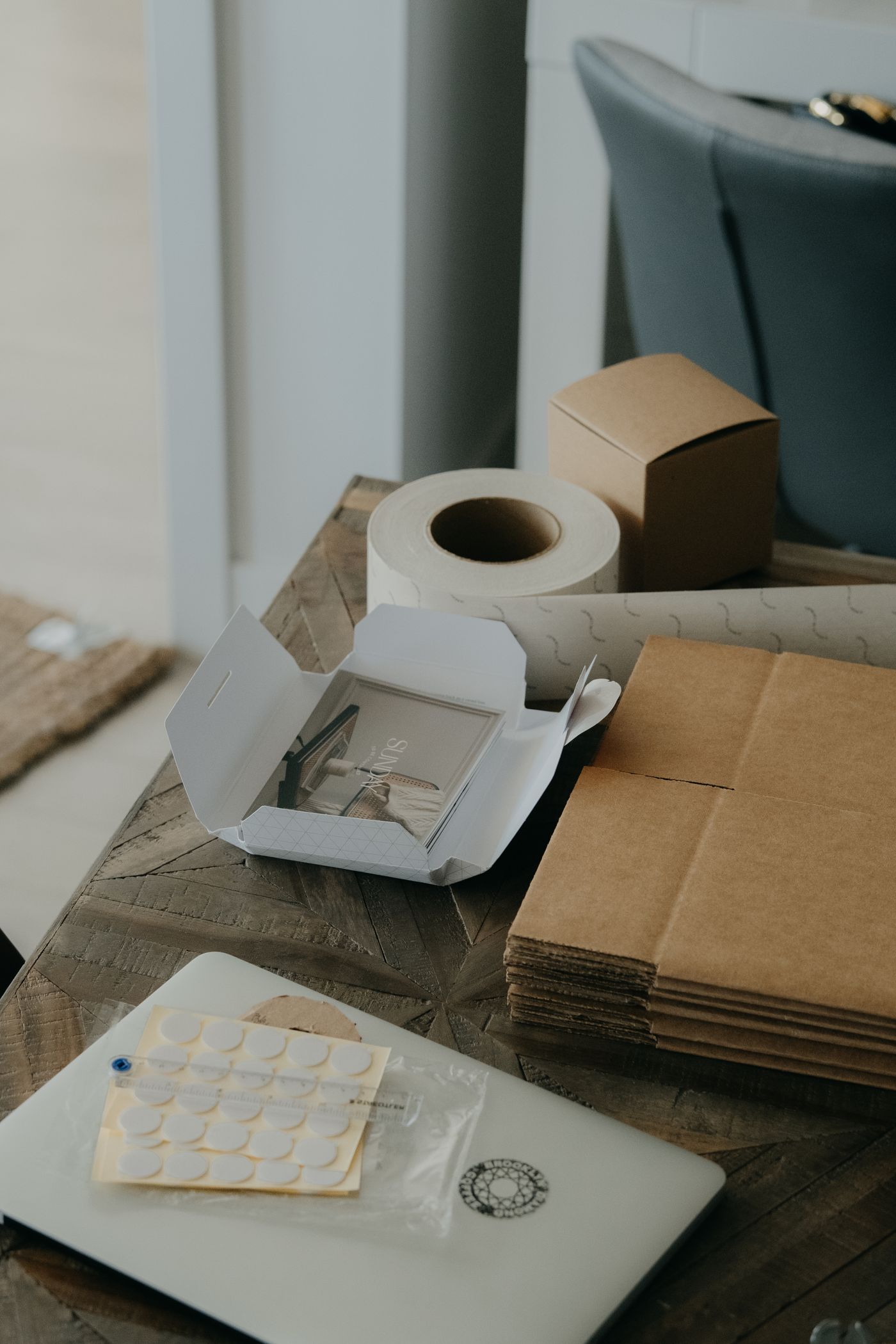
- Show variety across slots — a clean primary shot, lifestyle context, scale reference, detail close-ups, and packaging or personalization options.
Unlike Amazon, Etsy doesn't mandate a white background — buyers come for character. But your primary photo still needs to read instantly at thumbnail size, and that's where most handmade listings fail: a beautiful product lost in a busy, dim room.
The five-photo formula
You don't need twenty concepts. Five photo types, done well, cover nearly every handmade product:
- The hero shot — the product alone on a clean, uncluttered background. This is your search thumbnail; nothing should compete with the product.
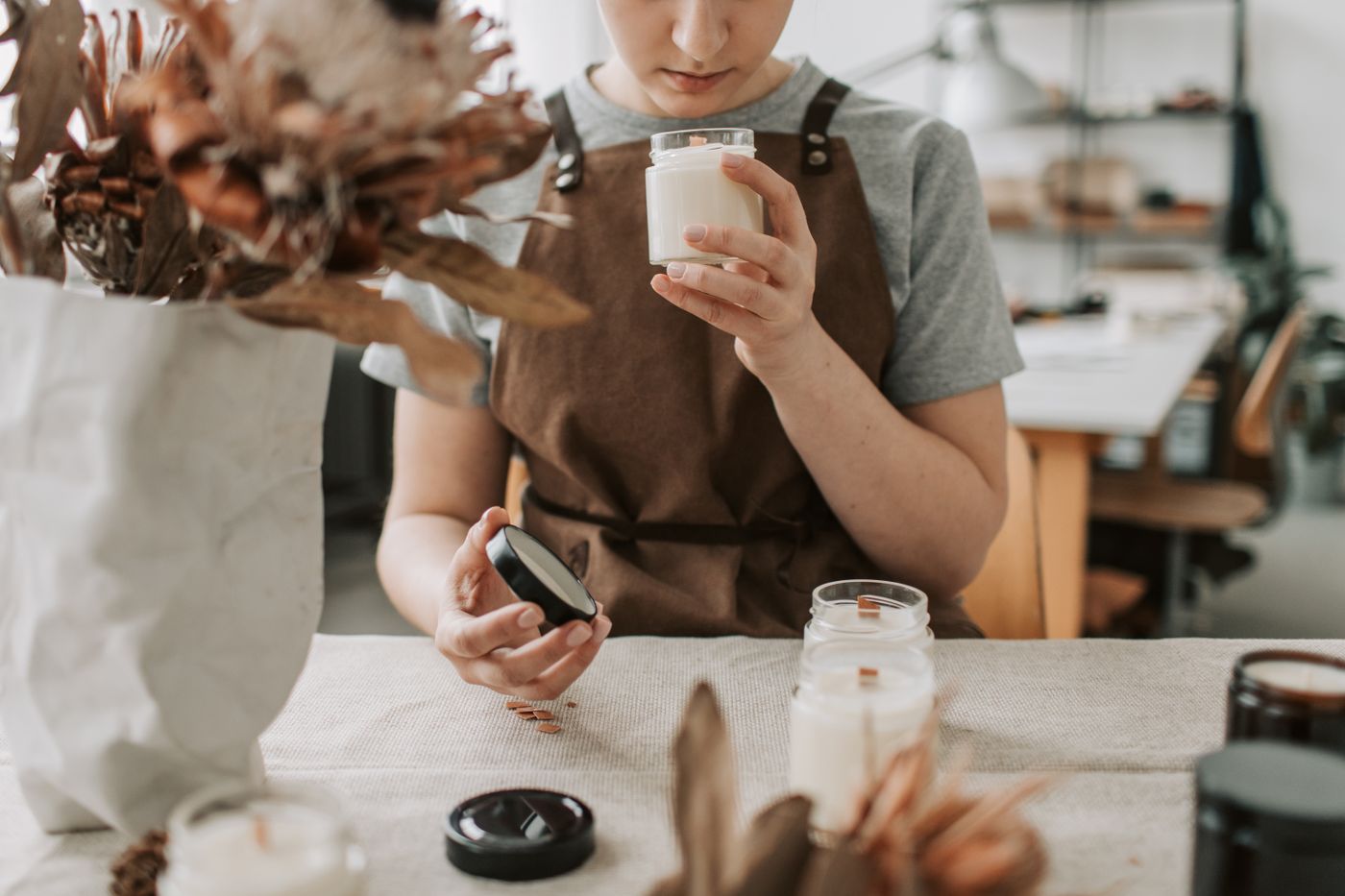
- The lifestyle shot — the candle lit on a coffee table, the earrings worn, the print hanging on a real wall. This is where buyers imagine owning it.
- The scale shot — next to a hand, a book, or a coin. "Smaller than expected" is one of the most common reasons for negative reviews on handmade marketplaces.
- The detail shot — texture, stitching, glaze, engraving. Handmade sells on craftsmanship; prove it up close.
- The options shot — colors, sizes, gift wrap. One image that answers "does it come in…?" before the buyer has to ask.
Getting the hero shot without a studio
The hero shot is the one that intimidates makers, because it looks like it needs equipment. It doesn't:
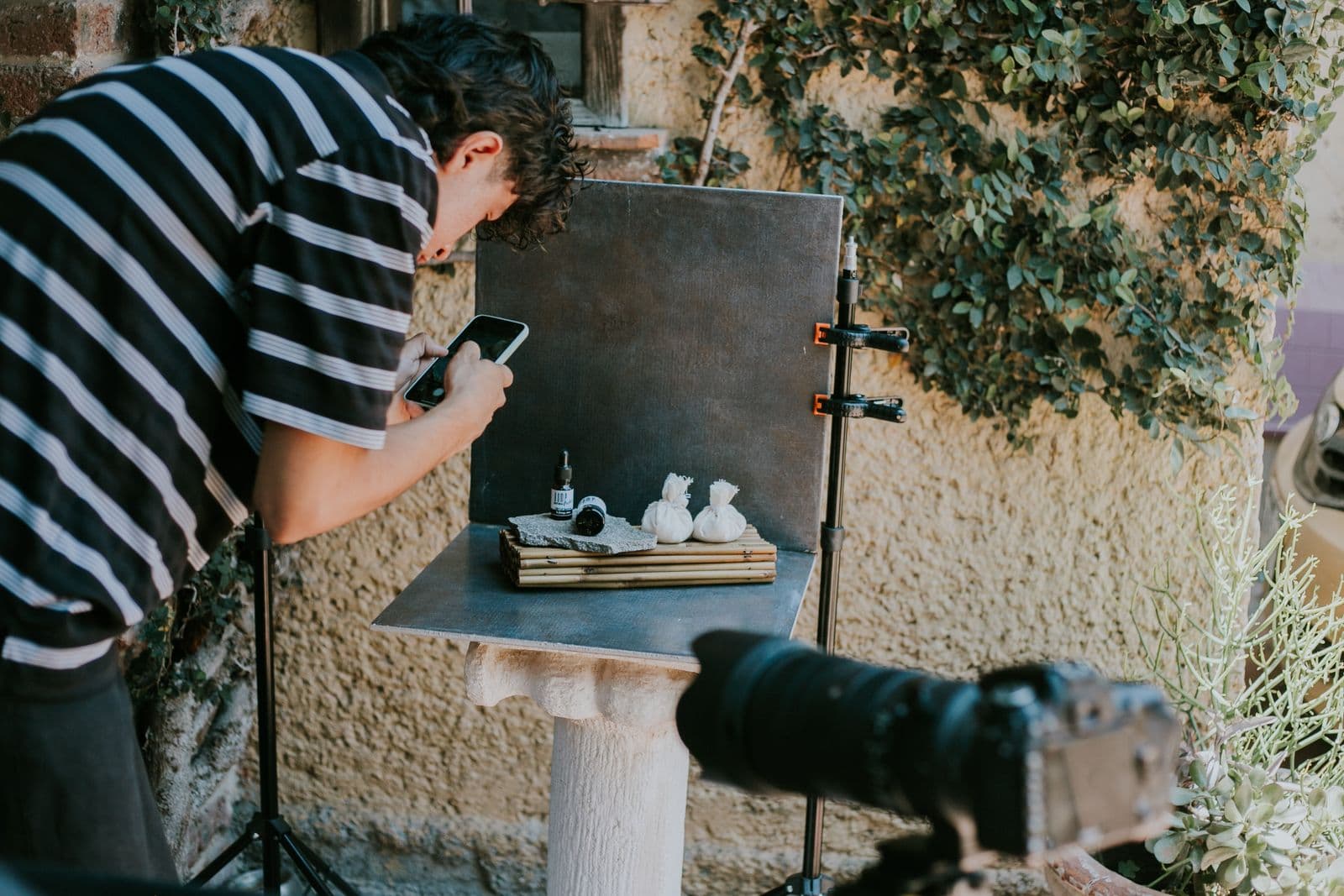
- Shoot in soft window light — no flash, no direct sun. A cloudy day is a free softbox.
- Don't worry about the backdrop — photograph on your kitchen table if that's what you have. The background is about to be replaced anyway.
- Upload to remover.bg — the background disappears in seconds, cleanly handling tricky edges like yarn, dried flowers, and glass jars.
- Choose a background that fits your brand — warm cream, soft sage, linen texture, or classic white. In the editor you can also add a subtle shadow so the product sits naturally instead of floating.
- Reuse the same background for every listing — this is the single cheapest way to make a shop look professional. A consistent backdrop across forty listings reads as a brand; forty different backdrops read as a garage sale.
Small details that quietly boost sales
- Consistent thumbnails — same background, same product angle, same margins across your shop page. Shops that look curated earn more browsing time.
- Natural color accuracy — buyers return items that "looked different online." Edit for honesty, not drama.
- Seasonal refreshes without reshoots — because your products are already cut out, updating your whole shop for autumn or the holidays is a background swap, not a photo shoot. Our guide to custom backgrounds covers this in depth.
- Alt-text your photos — Etsy lets you add alt text; describe the product plainly. It helps accessibility and search.
The takeaway
Etsy buyers aren't comparing your photos to other makers' photos — they're comparing them to every product image they've seen that day, including the big brands'. A window, a phone, and a background you control gets you to that standard: shoot the hero shot anywhere, cut it out, and put every product in the same clean, branded scene — then turn the same cutouts into craft fair price cards and signage when you sell in person.
Five photos per listing, one consistent look across the shop. That's the whole system.