 English
 Español
 Português (BR)
 Deutsch
 Français
 Italiano
 Türkçe
 Bahasa Indonesia
 Русский
 日本語
日本語 한국어
한국어 Українська
 Tiếng Việt
 Polski
 Nederlands
 ไทย
ไทย Română
 简体中文
简体中文 繁體中文
繁體中文 العربية
 Български
 Filipino
 हिन्दी
 اردو
اردو বাংলা
বাংলাThe Right Background for a Schengen Biometric Photo
Schengen passport photo background rules disagree: France forbids white, Germany names no colour, the Netherlands allows three — plus when editing is banned.
- passport photo
- biometric photo
- schengen
- id photo
- photo requirements
- background removal
- germany
- france
- netherlands
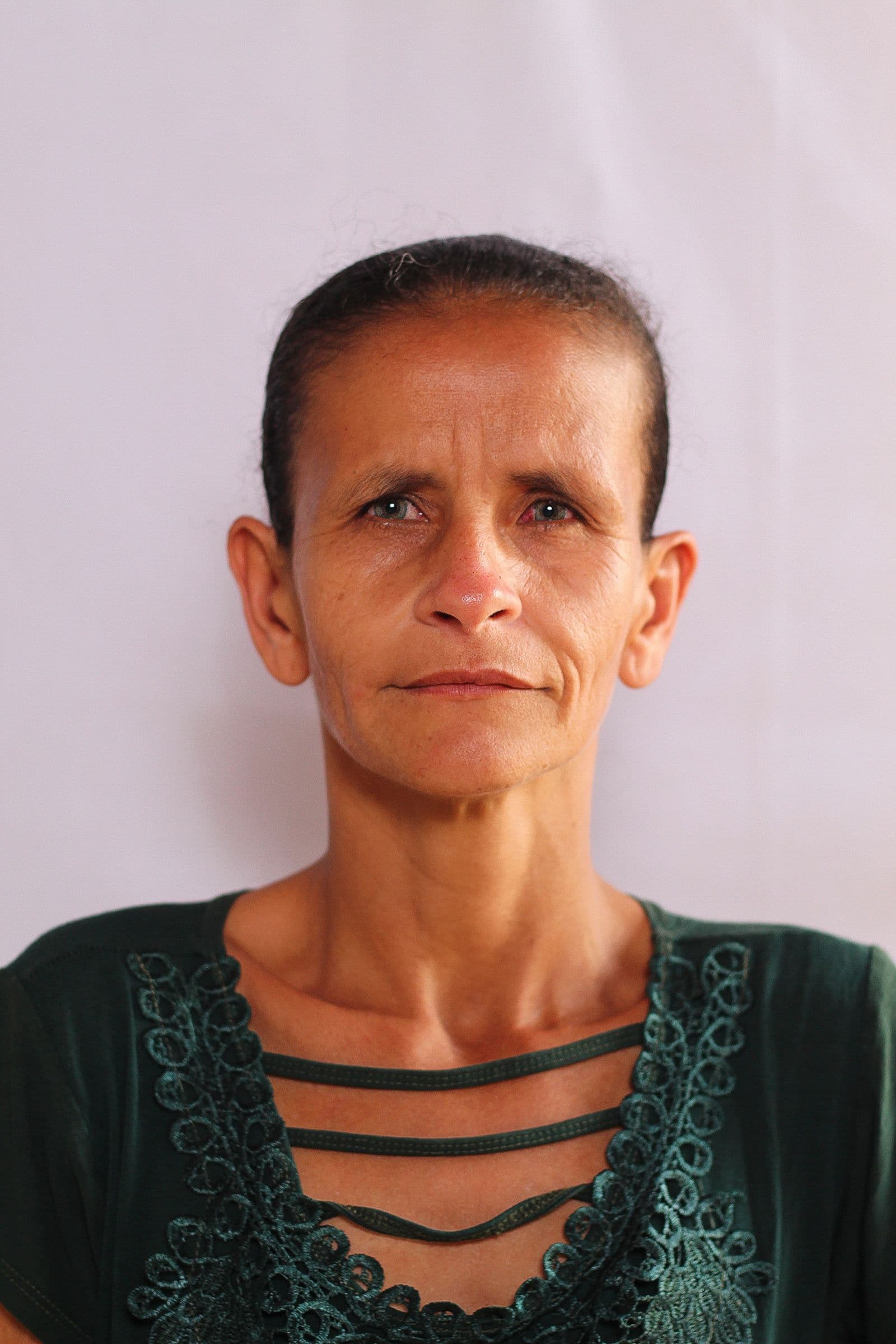
A rejected biometric photo rarely comes back with more than a line of explanation, and "background not acceptable" can mean any number of things: a wall that photographed cream rather than grey, a flash shadow behind the head, a white sheet that swallowed grey hair. The notice never says which.
Most people shooting at home assume white is safest. For passport and ID-card photos in Germany, France and the Netherlands, that instinct can fail. The rules below are national passport and ID-card rules, written country by country, and that is exactly where they pull apart. Work from the sheet published for your document, in your country.
What the rules actually say
Annex 8 of the German Passverordnung, the binding text, requires a background that is einfarbig (one colour), schattenfrei (shadow-free), and in clear contrast with the face and with the hair. No colour is named; the test is relational.
Other member states name colours, and disagree:
- France requires a plain, light-coloured background, names light blue or light grey as examples, and forbids white.
- The Netherlands allows light grey, light blue or white, but demands a uniform colour, no fade, and enough contrast with the head.
Format diverges too. France and the Netherlands specify a 35 × 45 mm photo — face 32 to 36 mm high in France, 26 to 30 mm chin to crown in the Netherlands from age 11. German Annex 8 gives no millimetre size: the photo is digital, and an adult's face must fill 70 to 80% of its height. Only up to a child's tenth birthday does the looser 50 to 80% band apply, with more latitude still for babies under six; an eleven-year-old is measured like an adult.
Why white fails on some heads
Read the German wording again: contrast with the face and the hair. Pure white leaves nothing for grey, white, blonde or wispy hair to separate against; the outline of the head stops existing. That is a failed condition, not a matter of taste.
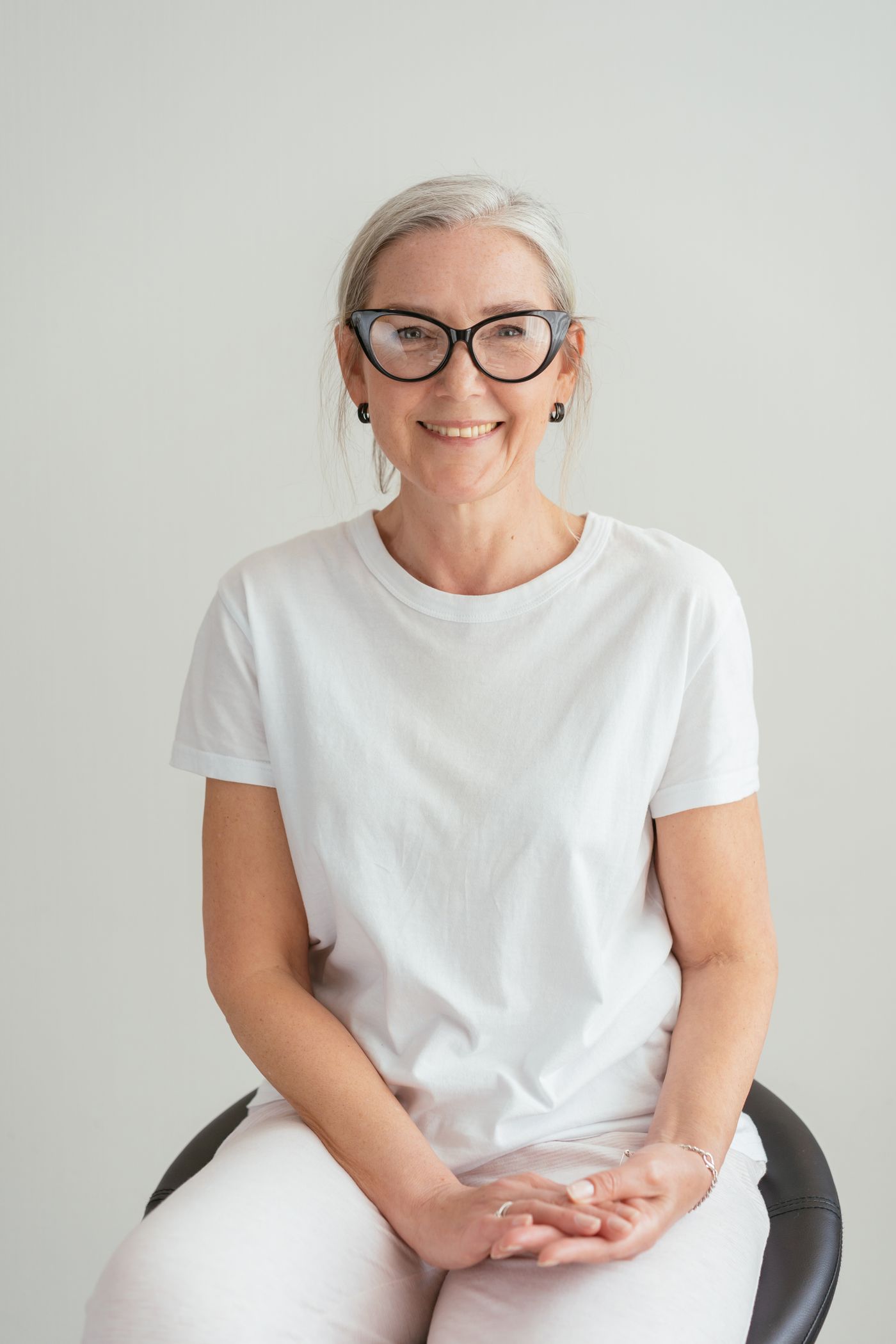
The same happens below the chin, where a white shirt merges into the wall. Light neutral grey handles both ends: lighter than the face, darker than white hair or a pale collar. Both lists that name colours name it: French gris clair, Dutch lichtgrijs. It is the safest reading of a German rule that names none.
A shadow behind the head
Both texts treat shadow as its own failure, not a side effect of an uneven wall: German Annex 8 asks for a schattenfrei background in the same breath as a single-colour one, and the Dutch rules ban shadow on the face or in the background. Stand close to a wall, light from the front, and you print a hard edge at the shoulder.
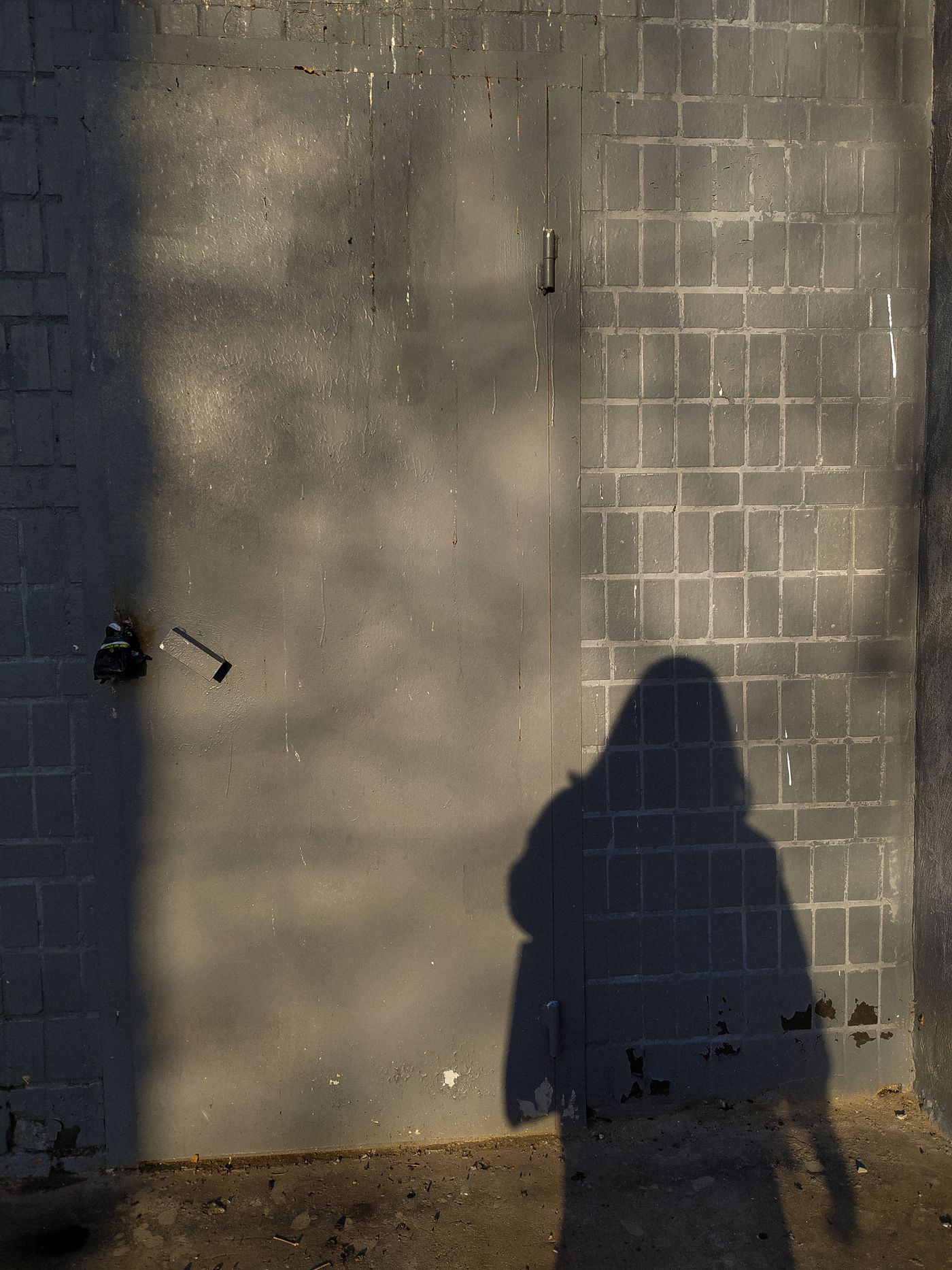
Two free fixes: move a metre off the wall; face a window, not a lamp.
Check whether editing is allowed at all
One warning before you reach for software. Several authorities require the photo to be unedited: the Dutch requirements state it must be niet bewerkt (not edited), and German Annex 8 shows retouched or filtered photos among its rejected examples. Background replacement is therefore not a route to a Dutch or German passport or ID photo. Use it only where the issuing authority's sheet does not forbid edited images, and read that sheet first.
Where it is allowed, shoot for it:
- Frontal, head straight, neutral expression, mouth closed, both eyes open.
- Hair fully inside the frame with room around it; a cropped skull cannot be rebuilt.
- Sharp focus at the hair edge, and no shadow band crossing the hairline.
Upload that frame to remover.bg from the web or mobile app — PNG, JPEG or WebP, up to 25 MB — and set a solid custom colour behind it. Pick a grey that still looks grey next to a white browser window. Leave the drop shadow off: this is the one job where it is a defect.
Cropping and print sizing happen afterwards, in your own photo editor. Our guide to taking a passport photo at home covers framing and lighting, and the same setup gives a professional profile picture.
Where a self-supplied photo is accepted
A German passport photo is now produced electronically: a service provider transmits it to the passport office by a secure procedure, or the office captures it. Section 16(3) of the Passverordnung keeps one exception: applications made abroad under § 19(2) of the Passgesetz, where electronic capture is not possible. There a current 45 × 35 mm borderless portrait print is accepted, and the office then enters nicht verifizierbar in the register in the field for the body that took the photo — a note about where the picture came from, not a verdict on the picture.
So for a German passport, the studio is the process. For visas, permits and forms that still ask you to supply your own picture, the photo is yours to make — and the authority handling it publishes its own sheet. That sheet will want a true likeness taken recently; the Dutch rules cap it at six months. Your face is a file someone stores, too: see how we handle privacy.
Before you send it
Three last checks: the hair outline reads against the background along its whole length, the tone is identical in all four corners, and nothing behind your shoulders is darker than the rest. Then hold the file against the sheet published for your document, in your country, this year. That page, not habit, is what the clerk works from.